Arizona garden field guide
Use Compost in an Arizona Vegetable Garden
Compost can return organic material to a garden, but quality, maturity and amount matter. More compost is not always better, particularly where soluble salts are already a concern.
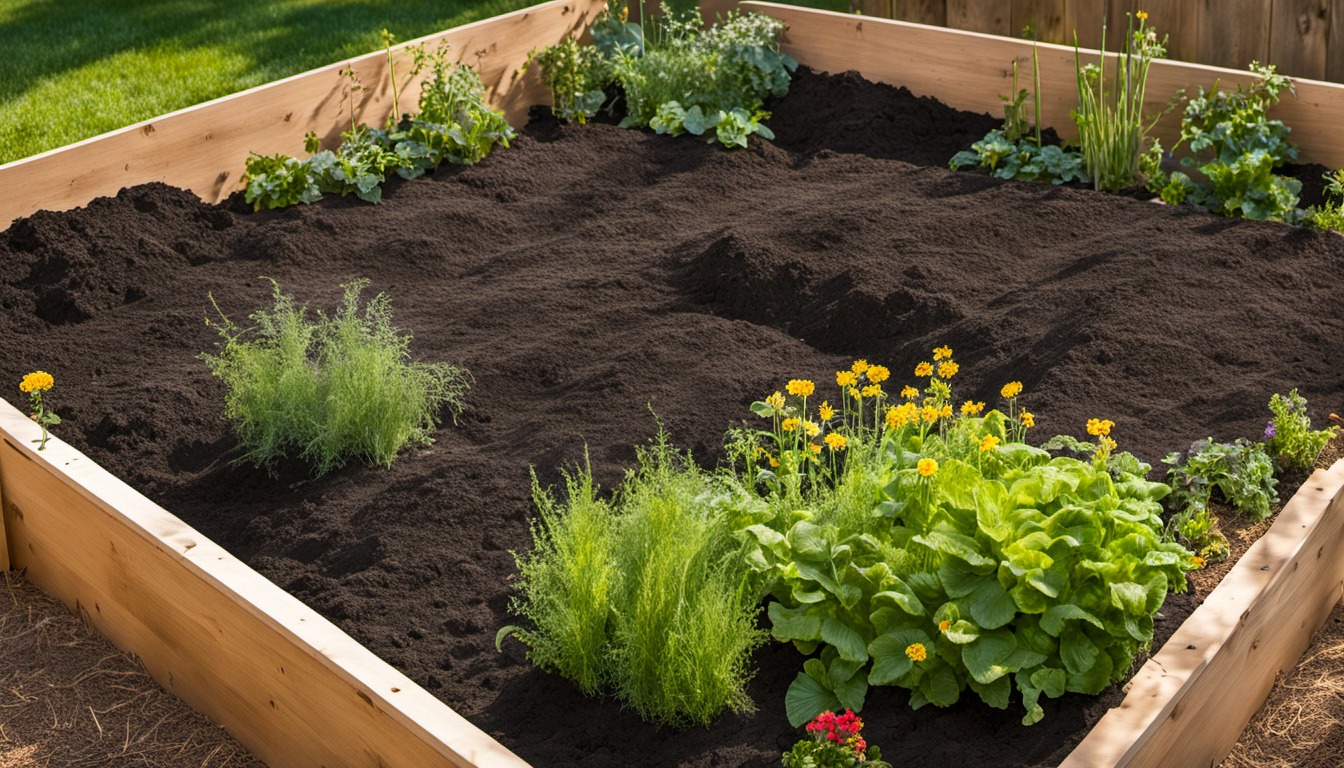
Know what you are adding
Finished compost should be well decomposed and suitable for the intended garden use. Ask a supplier about its ingredients and testing, or manage a home pile using appropriate materials. Avoid compost containing suspected persistent herbicides, trash or unknown contaminants. Do not place unfinished manure or undecomposed material against edible crops or young roots.
Use a soil test as context
Arizona desert soils can accumulate soluble salts, and fertilizer and some composts can contribute additional salts. A soil test and, when available, information about the compost can help guide the amount. pH, salinity and sodium are distinct measurements; ask a lab or Extension educator how the results apply before applying a large correction.
Incorporate at a workable time
Prepare the bed when soil is friable, not sticky after rain or irrigation. Spread a measured amount and incorporate it according to the crop and local guidance, keeping paths for foot traffic. Do not bury a seed row under a thick layer of coarse unfinished material. In a container, use a suitable potting mix rather than assuming garden compost alone is a complete medium.
Manage a home pile
Balance suitable dry and moist plant materials, maintain moisture without saturating the pile, and turn it as appropriate to the method. Keep meat, grease and materials your local program discourages out of an ordinary backyard pile. A pile’s conditions determine how quickly it breaks down; do not use the calendar alone to declare unfinished material ready.
Example: amend one bed
A gardener has one established native-soil bed and one new purchased mix. Keep their histories separate and test or seek guidance before treating both identically. Measure the first bed and record the compost source and amount, then observe its drainage and plant performance. If the result is disappointing, check water distribution and crop timing before adding another large layer.
Keep a useful record
Retain soil reports and note when and where compost was added. Remove diseased plant material from the garden according to local advice rather than assuming a small home pile reaches a temperature sufficient to address every problem. Reassess over several seasons; the purpose is a manageable root environment, not a particular number of bags used.
Check the supplier’s information
A purchased compost may be derived from different feedstocks and have different salt levels or maturity. Ask for available analysis and intended-use guidance before spreading it across every bed. If information is incomplete, try a measured amount in one area and keep the rest of the soil-management plan consistent.