Arizona garden field guide
Prepare an Arizona Vegetable Garden for Monsoon Weather
Summer storms can bring valuable rain as well as strong wind, runoff and broken supports. The useful preparation is a short, safe checklist made before weather arrives.
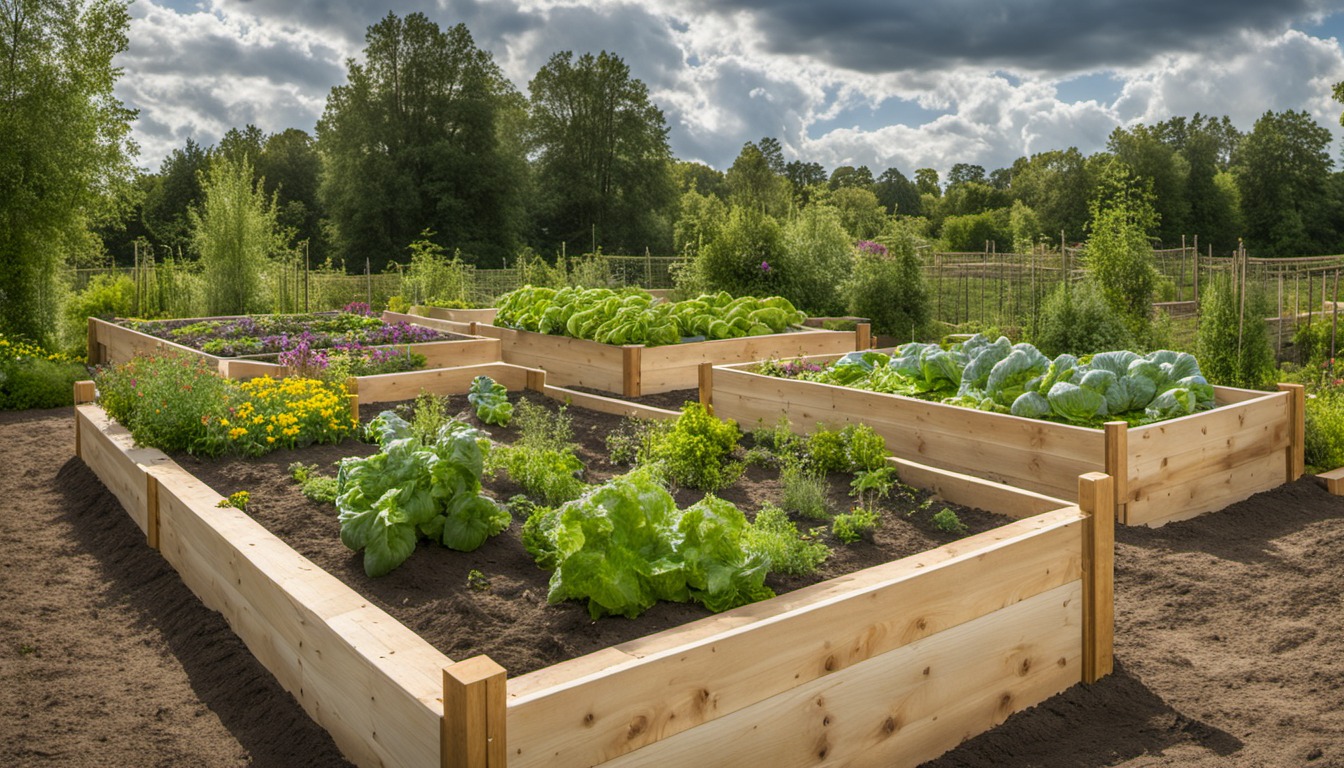
Look at where water travels
Watch the garden during ordinary rain from a safe place. Identify roof downspouts, hard surfaces and low spots that concentrate flow. A raised frame can make a bed easier to reach, but it will not solve runoff entering from uphill. Keep paths open, improve the site where practical, and avoid placing tools or supplies where moving water can carry them away.
Secure supports early
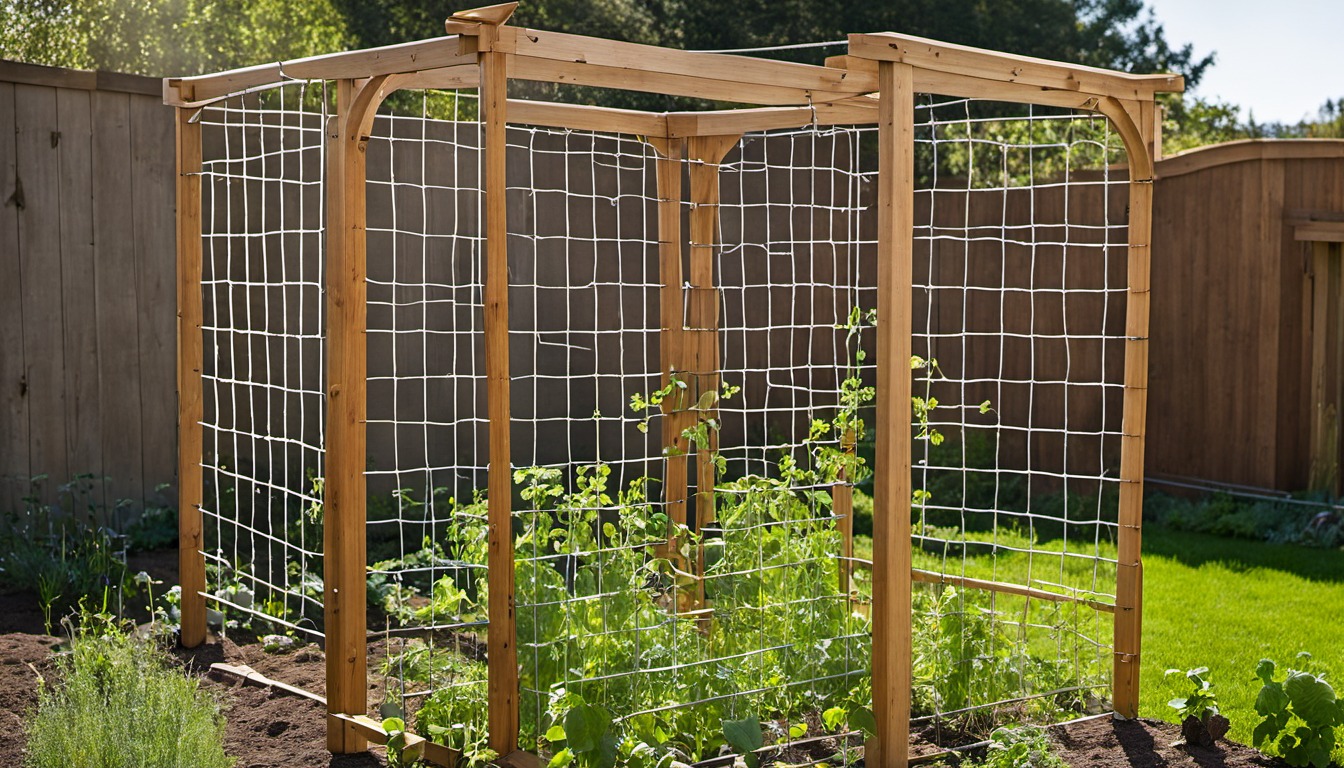
Install a trellis or cage before plants become heavy, and check that stakes are firmly anchored in sound soil. Use soft, loose ties that do not constrict a growing stem. Remove loose lightweight objects from the garden before strong wind. Do not go outside to adjust supports during lightning or other dangerous weather; make the garden work a fair-weather task.
Protect soil structure
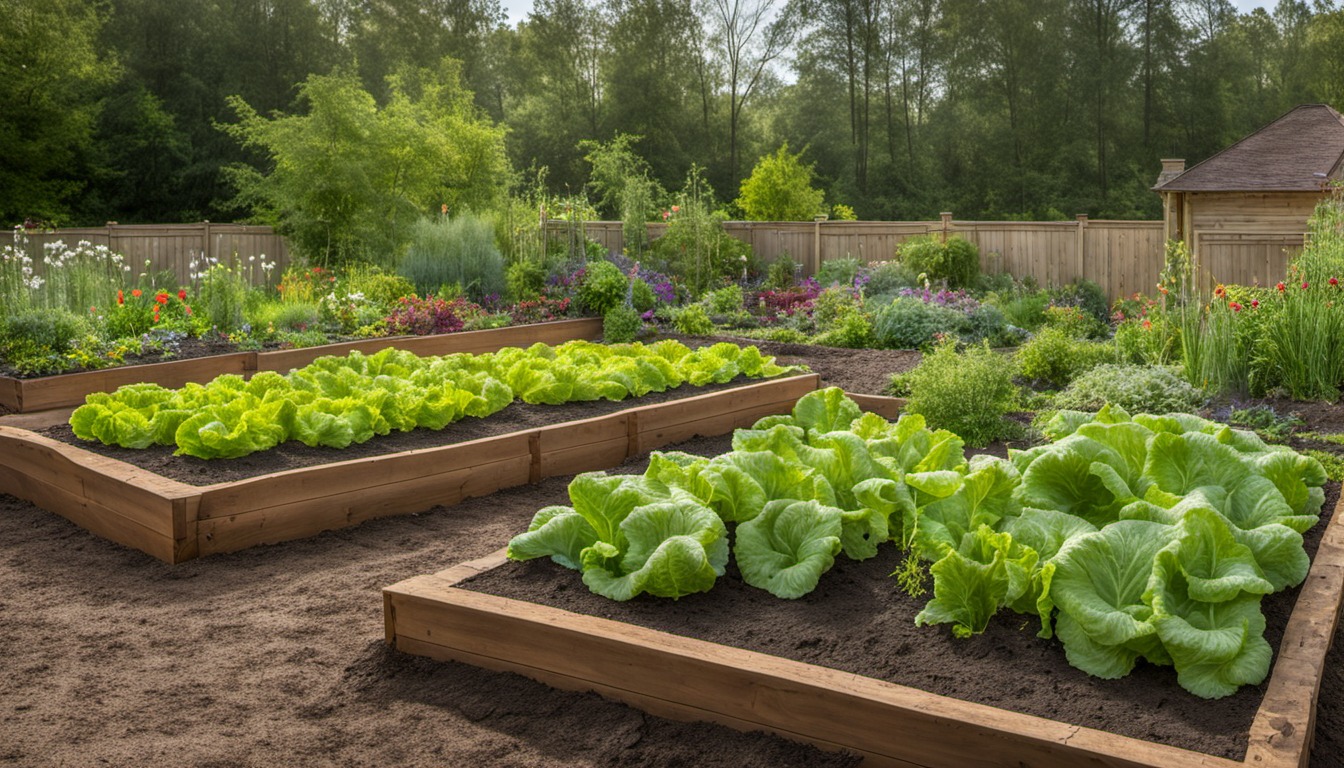
Mulch and plant cover can soften the impact of rainfall, but water must still be able to drain. After a storm, postpone digging if soil sticks and smears. Walking repeatedly over a wet bed compacts it; use paths instead. When conditions are safe and soil is workable, clear blocked paths and check whether shallow seed or mulch washed away.
Inspect rather than guess
Check ties, emitters and roots once the storm has passed. A leaning plant may need careful support; saturated soil calls for patience rather than another irrigation cycle. Inspect undersides of leaves over the following days and identify damage before treating it. Rain does not necessarily wet every container or sheltered bed equally, so check each root zone.
Example: a supported tomato
Before storm season, a gardener notices a top-heavy tomato leaning against a short cage. Add a secure outside stake and loosely attach the cage while conditions are calm; keep the tie away from fruit and stems that will thicken. After a storm, check for broken branches and standing water. Harvest usable fruit and reset the support only after it is safe.
Adjust the next sowing
If hard rain crusts or washes out a seed row, gently inspect a short section rather than assuming the entire packet failed. Compare the elapsed time with the seed’s expected emergence and check remaining planting time. Resow a small marked section if appropriate, using the packet’s depth and gentle watering; keep notes about runoff before placing the next row.
Inspect containers too
Heavy rain may miss a pot under an overhang, while a pot exposed to wind can tip or collect excess water. Before a storm, move portable items only when conditions are safe and make sure drainage holes are clear. Afterward, check each container’s moisture rather than assuming the same rain reached all of them.