Arizona garden field guide
A Low-Desert Vegetable Garden in Arizona
In Arizona’s low desert, the most productive question is often not whether a vegetable can grow, but which part of the year lets it grow and finish before damaging heat or cold.
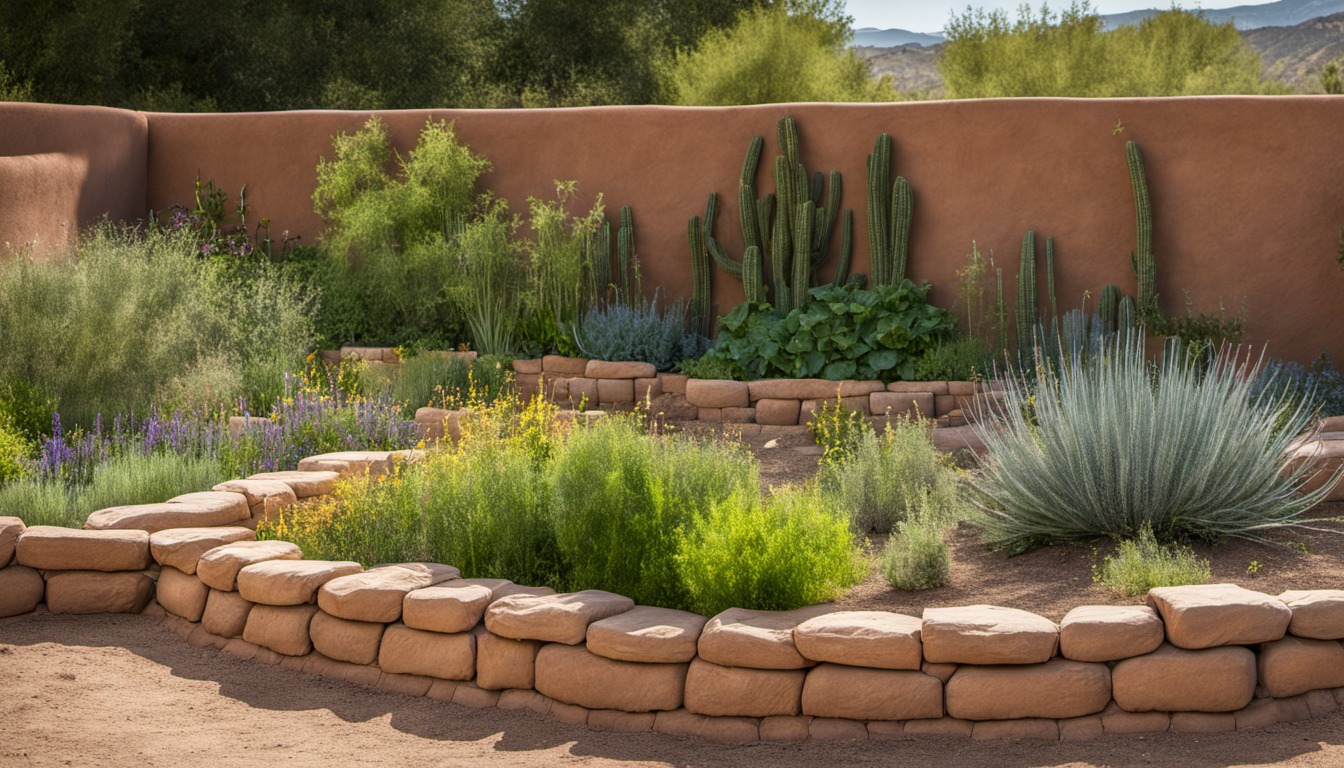
Read a local calendar
Maricopa County’s calendar separates planting dates by crop and method, including seed and transplants. It describes two favorable growing periods, spring and fall, because the same annual vegetable may not thrive through both winter cold and extreme summer heat. Use the Maricopa chart for its stated county; Yuma and Pima gardeners should start with their own local publications.
Build around the heat
High daytime and nighttime temperatures and strong sun can stress even warm-season vegetables. Look at the expected harvest window, not merely whether the first planting day is mild. Use a variety suited to the available season, give it appropriate space and support, and provide temporary shade where needed without assuming shade makes every crop productive all summer.
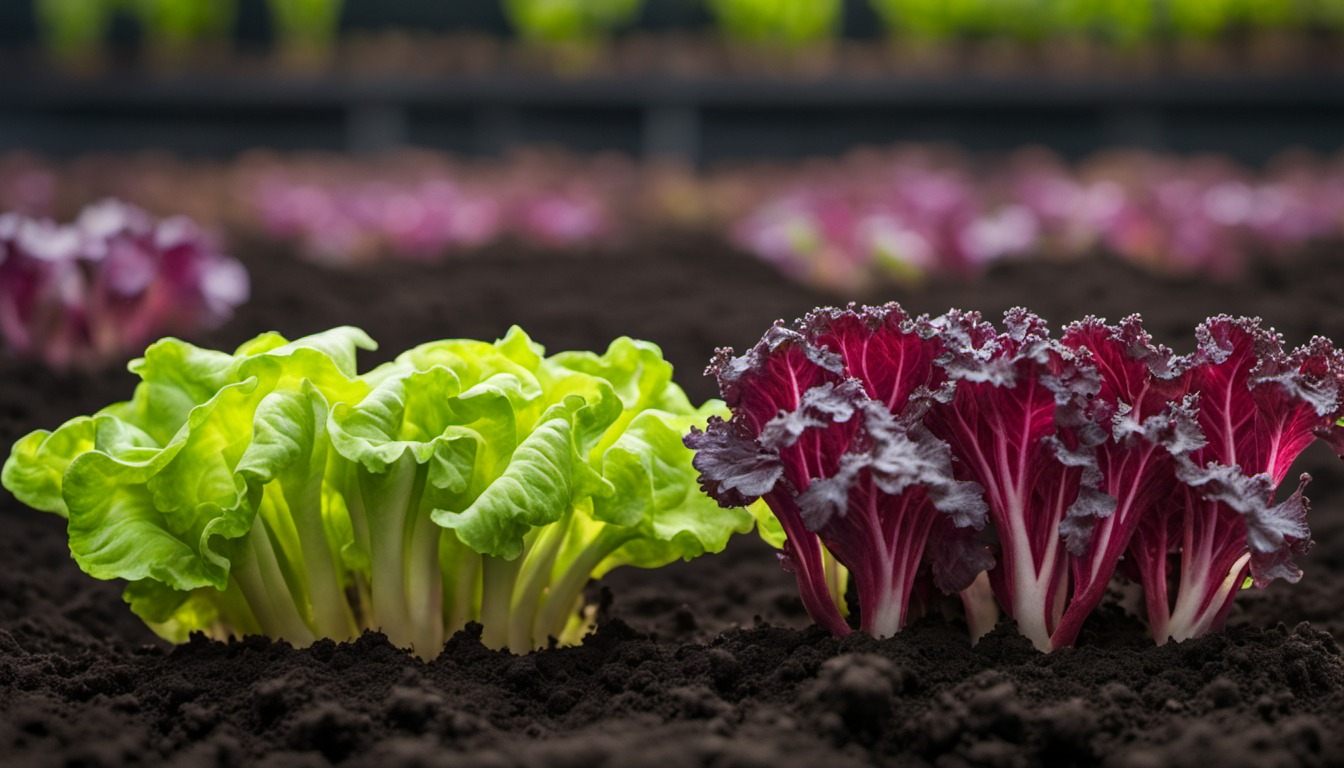
Protect young roots
Place the bed close enough to water and inspect. Moisten the seed zone for germination without leaving roots saturated; as plants establish, check deeper in the root zone. A drip line is useful only if water reaches the plants: check the wetting pattern and flow at both ends. Mulch after establishment can reduce evaporation and keep soil from crusting.
Plan a cool-season bed
Leafy greens and many roots are candidates for a cooler-season planting when the county chart recommends them. A hot soil surface can make fall establishment difficult, so consider starting appropriate crops in a protected tray, checking moisture frequently and moving them only when conditions and the crop’s method fit. Remove temporary shade when plants need more light.
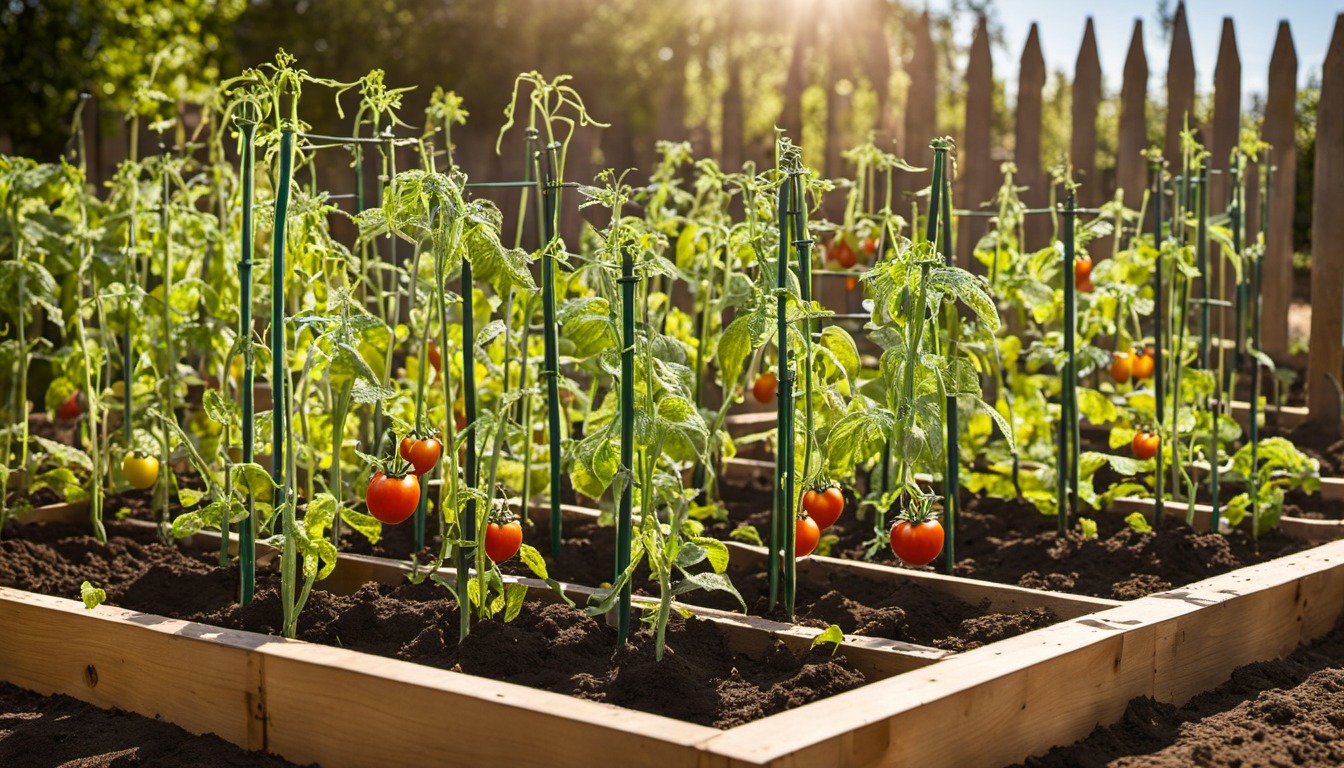
Example: one tomato and one lettuce patch
A small plan might reserve one supported tomato and a separate patch of lettuce. Consult the Maricopa chart for each method and season rather than planting both on the same date. Check fruit-set weather for the tomato and soil moisture for the lettuce. When a crop finishes, clear it and compare remaining time with the next crop’s local window.
Adapt the site, not the label
Observe how shade from walls changes through the day, where reflected heat builds, and whether rain or irrigation can leave the bed. A low spot can still experience damaging frost. Keep notes on emergence, heat damage and harvest, then choose the next season’s planting based on those observations and local Extension guidance rather than a fixed statewide schedule.
Compare two exposures
A bed beside a west-facing masonry wall may receive intense reflected heat after the nearby open bed is shaded. Observe both locations at several times, then place a short trial planting where you can inspect it. Compare the plants’ actual condition and soil moisture before attributing differences to the variety or changing irrigation everywhere.