Arizona garden field guide
Vegetable Gardening at Higher Elevations in Arizona
Higher-elevation Arizona gardens can have cool nights, a shorter frost-free interval and helpful summer growing weather. Elevation gives context, but it does not determine a planting date by itself.
Use weather from your actual site
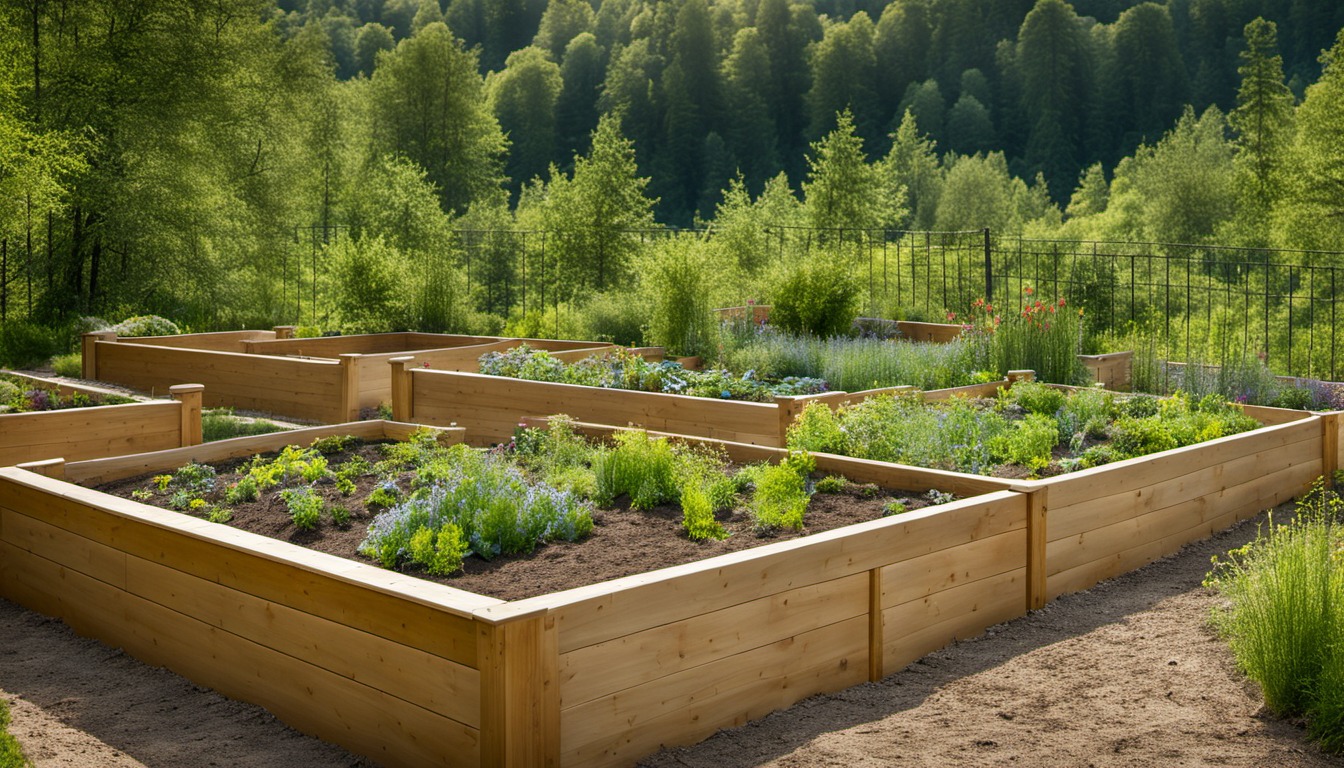
The University of Arizona’s 3,000–6,000-foot guide says air and soil temperatures and expected frost dates are more useful timing anchors than elevation alone. Find a nearby station, note its exposure, and compare it with your garden. A hollow, a south-facing wall and a windy ridge can behave differently even within the same community.
Separate hardy and tender crops
Cool-season crops can often be started under different conditions from tomatoes, squash and beans. Use the local chart for the crop and planting method, and check the forecast before moving tender plants outdoors. A sunny afternoon does not prove that overnight cold risk has passed or that the root zone has warmed enough for a particular seed.
Choose the season’s workhorses
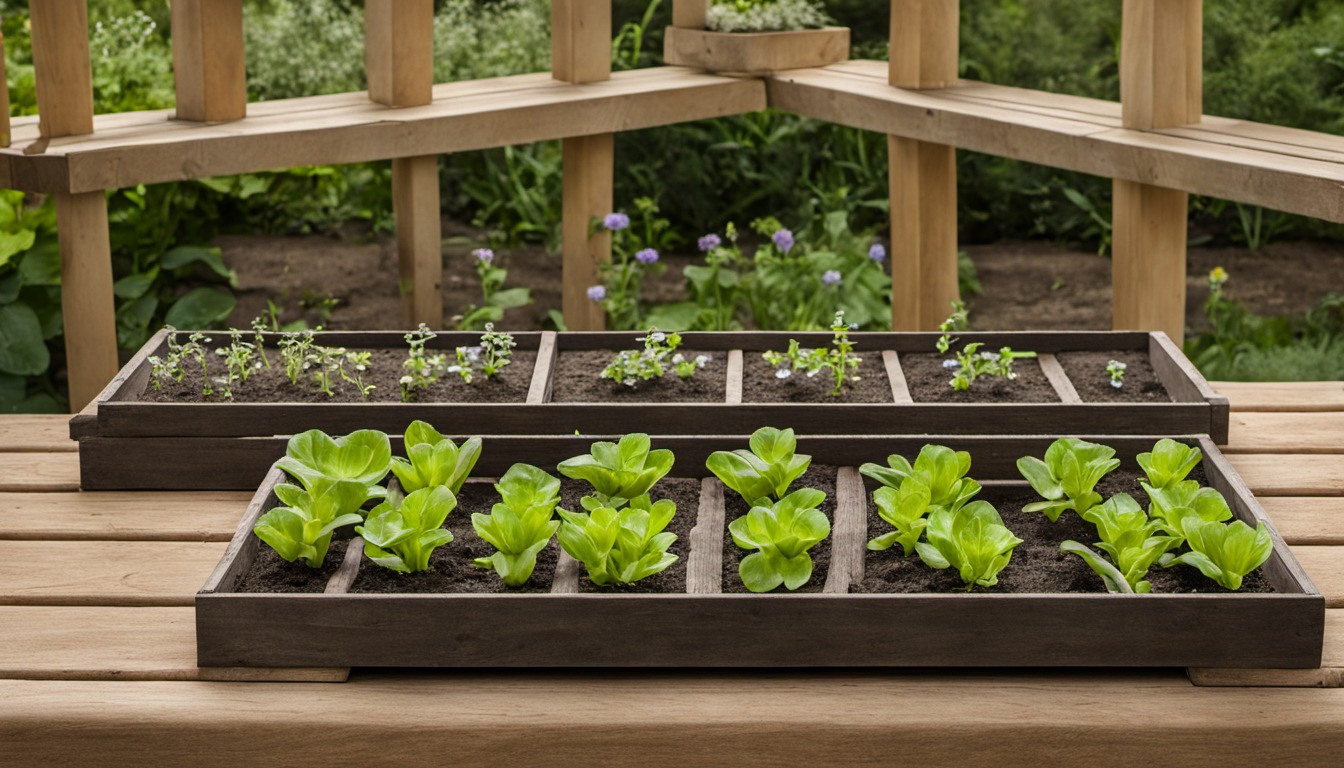
Read the packet’s days to maturity and whether the clock begins at sowing or transplanting. A shorter-season variety may fit a site where a long-season one would meet fall cold before harvest. Start suitable transplants indoors with enough light, then harden them gradually; avoid starting so early that roots crowd their pots before outdoor conditions are ready.
Use protection deliberately
Supported row cover can reduce exposure during a short cold event, but it is not a guarantee against a hard freeze. Secure it before wind arrives, allow space above foliage and ventilate when it heats up. A cold frame or cover needs active attention; remove or adjust it for heat and pollination when crops and conditions require.
Example: plan one tomato
Choose a variety and write down its maturity estimate, target transplant date and your station’s typical first fall frost. Check that there is enough useful growing time after transplanting, then compare the plan with your county recommendations. If the window is too tight, try a faster variety, a protected site, or a crop better suited to the season instead of promising a harvest.
Learn from the beds
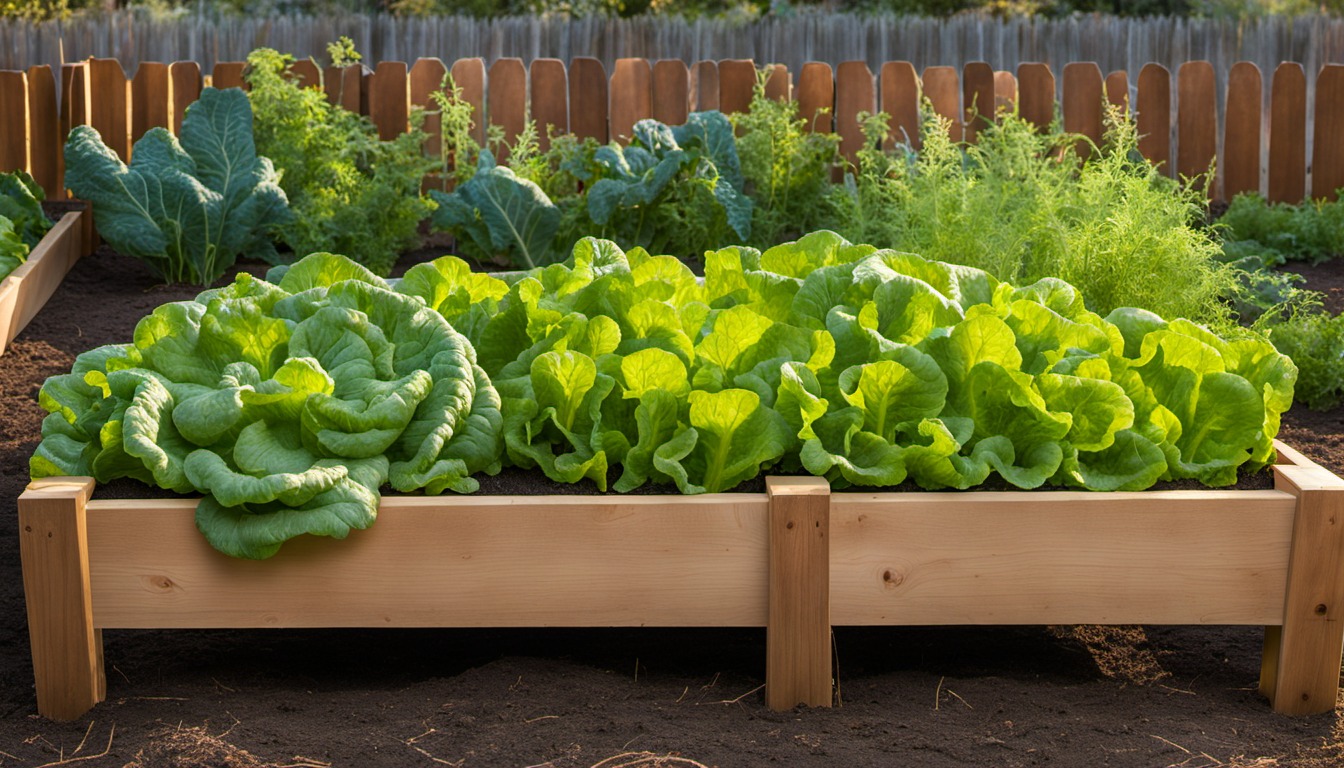
Measure soil in the actual planting bed at a consistent time, not only at an exposed surface that warms quickly. Record when seedlings emerged and how wind and irrigation affected them. A raised bed can warm and dry differently from in-ground soil. Keep paths clear and avoid working sticky soil after rain or snowmelt; good structure saves work later.
Use a weather buffer
If the forecast calls for a cold night just after the planned transplant date, keeping a hardened plant in a protected pot a little longer may be sensible. Check its root ball and avoid leaving it outdoors in damaging conditions. Once weather improves, compare actual planting and harvest with the original schedule and local frost record.