Arizona garden field guide
Manage Salt in an Arizona Vegetable Garden
Irrigation water carries dissolved minerals. In an arid garden, repeated watering and evaporation can leave salts behind, but the right response depends on the soil, water and drainage.
Distinguish salt from pH
University of Arizona describes salt accumulation in desert soils when evaporation leaves dissolved salts in the root zone. Alkalinity, salinity and sodium problems are not interchangeable. Symptoms such as poor growth or leaf-edge damage can have other causes too. A soil or water test, interpreted for your garden, is a better basis for action than the color of a crust alone.
Inspect the watering pattern
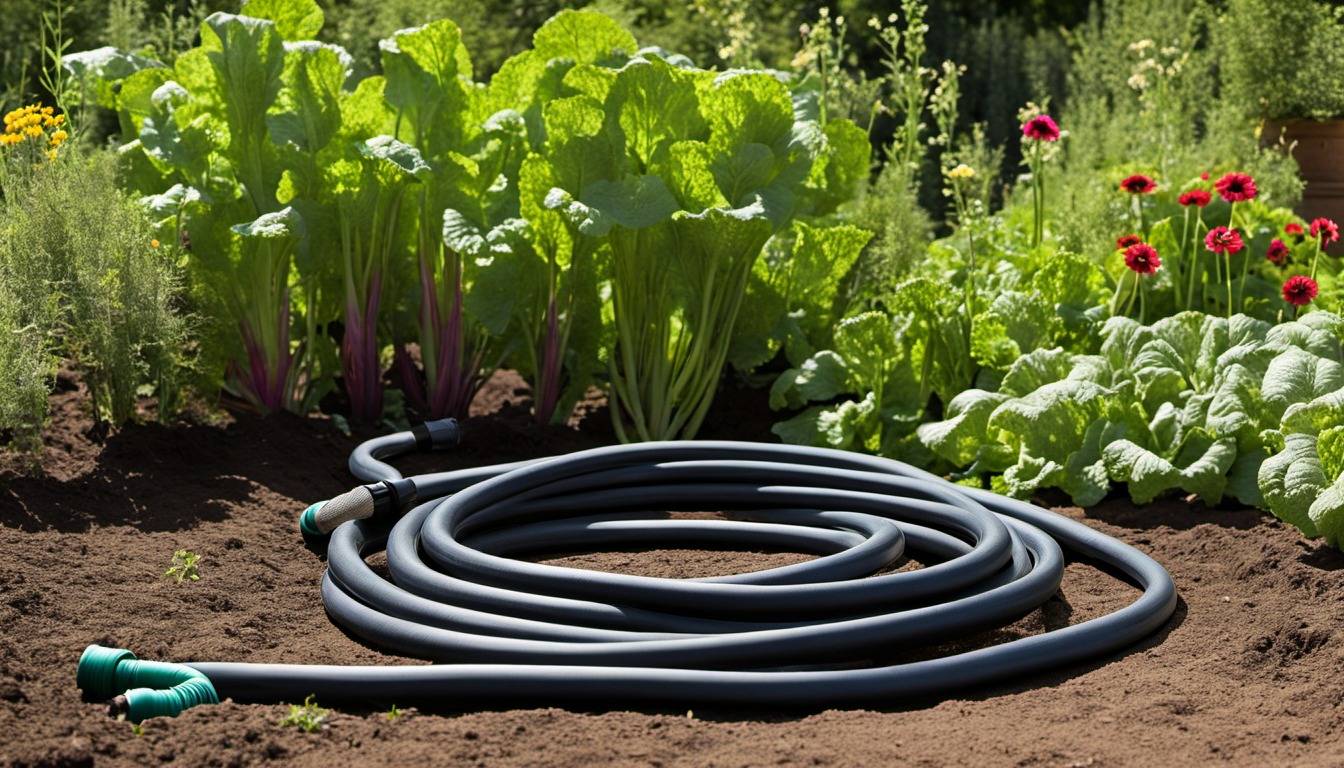
Drip lines deliver water near emitters, and the wetted area depends on soil and operating time. Run the zone and check for clogged emitters, leaks and dry gaps. Dig a small inspection hole after watering to see where moisture went. A timer’s minutes are not a measurement of root-zone moisture, especially when plants or soil have changed.
Check drainage before flushing
Moving soluble salts below roots requires suitable drainage and an appropriate water supply. Extra water on a poorly drained bed can leave roots saturated or move runoff where it is not wanted. Ask local Extension or a qualified lab to interpret salinity, sodium and water-test results before adding gypsum or changing irrigation substantially. Respect local water rules.
Reduce avoidable inputs
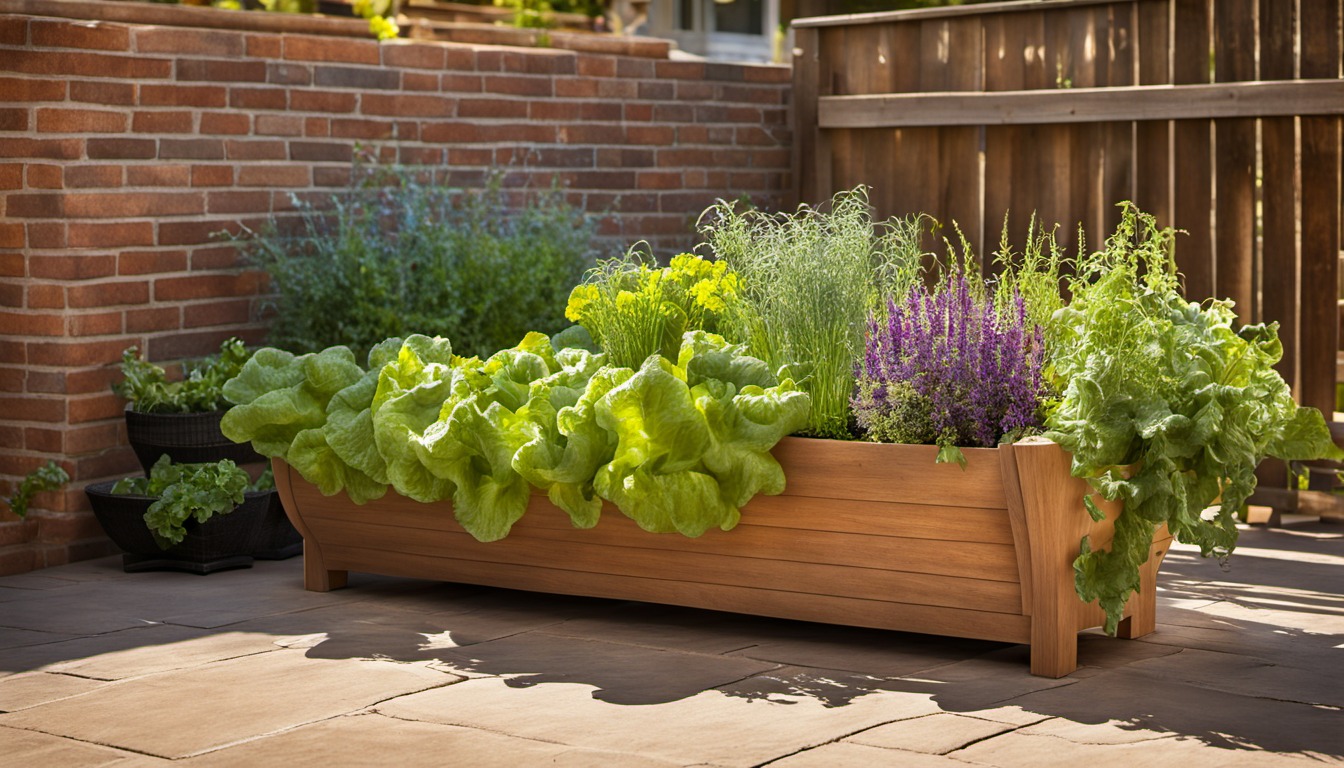
Do not add fertilizer merely because growth is slow; excessive fertilizer is another source of soluble salts. Measure the bed and use a soil-test recommendation where appropriate. Select a suitable potting medium for containers and make sure pots have drainage. A saucer of standing salty water can undermine an otherwise careful watering plan.
Example: compare two plants
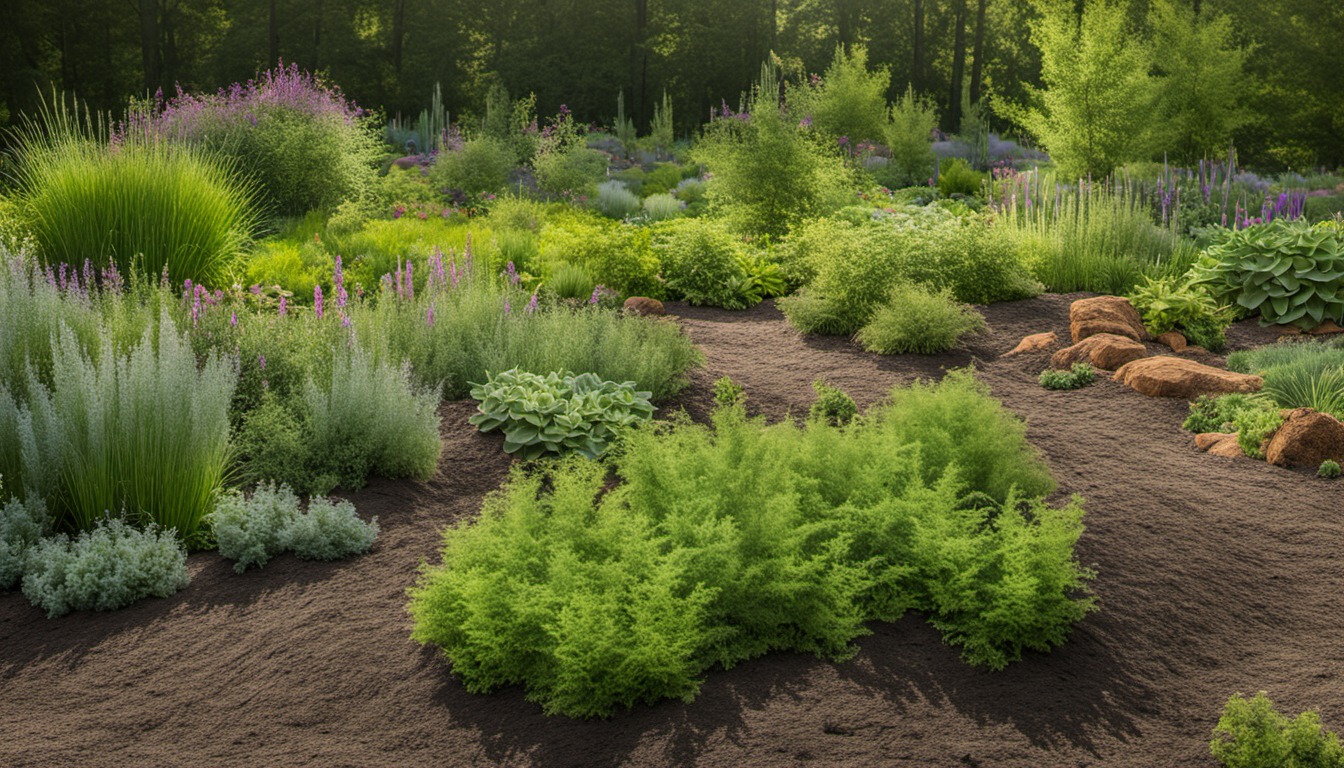
If a plant near the end of a drip line grows poorly while a similar plant nearby looks healthy, first compare the emitters and moisture around each root ball. Then consider whether salts or another issue warrant testing. Record where samples were taken and whether fertilizer was recently applied. Correct the observed fault before changing the entire garden’s system.
Follow up with evidence
Keep the lab report, water source, irrigation observations and amendment amounts together. If a recommended change is made, check plant response and retest on the schedule suggested by the lab. University guidance for Yuma describes local salinity challenges, but the specific remedy should not be copied blindly to a different soil, water source or drainage condition.
Check the pot rim
A light deposit at a pot’s rim may indicate accumulated minerals, but it does not establish the severity in the root zone. Check drainage and the plant’s watering history, then ask whether a test is warranted. Do not add gypsum by habit; the useful response depends on the kind of salts and the soil or mix.