Arizona garden field guide
Identify Vegetable Garden Pests in Arizona
A hole in a leaf is a clue, not an identification. Heat, water stress, insects and disease can produce overlapping symptoms, while many garden insects are beneficial.
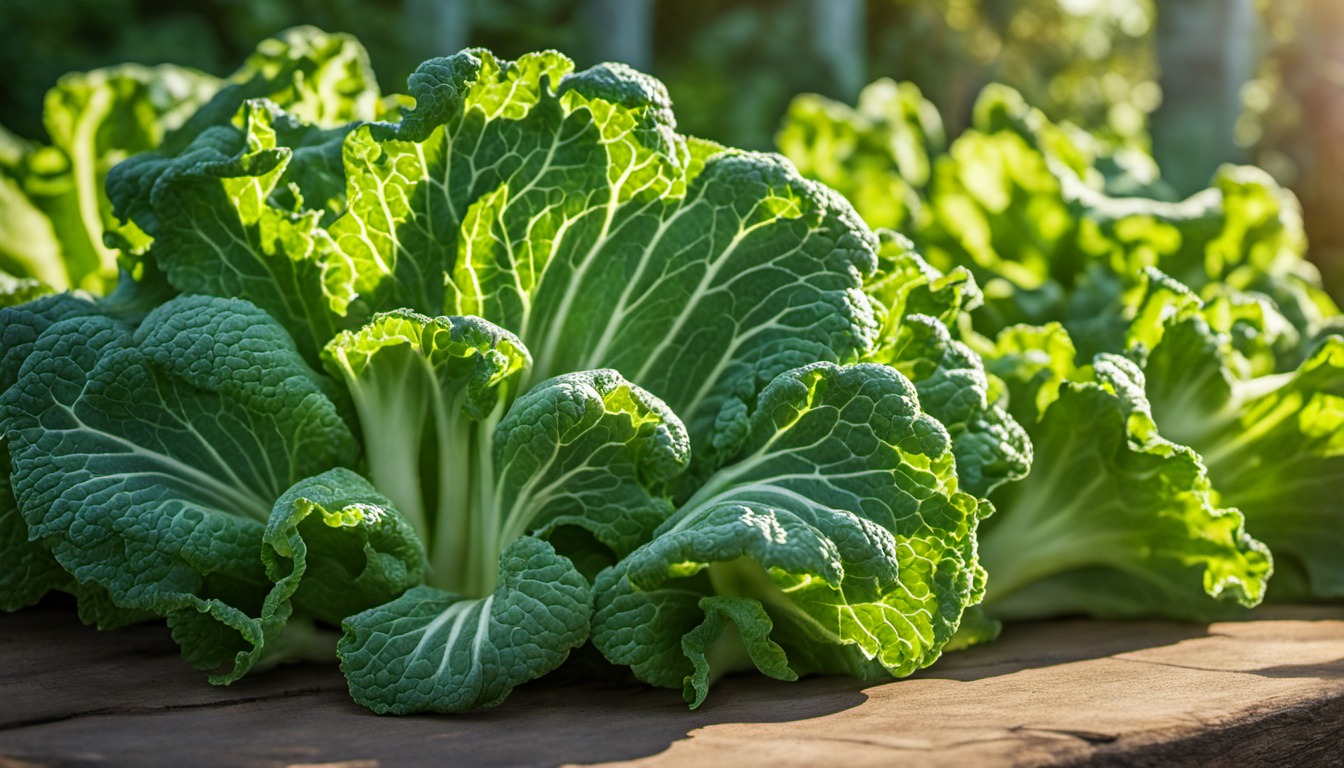
Inspect the whole plant
Look at new and old leaves, their undersides, stems and fruit, and note when damage appeared. Compare affected plants with healthy neighbors. A dry edge, a wilted plant and chewed holes suggest different questions. Record the crop and take a clear image if you need help from county Extension; avoid handling an unfamiliar insect unnecessarily.
Start with growing conditions
A plant stressed by poor irrigation or unsuitable timing may be less resilient. Check the root zone, emitters, spacing and local weather before treating. Select varieties and planting windows appropriate to the area. University of Arizona’s Maricopa calendar notes pest pressure can affect timing; that does not mean a single date prevents every problem.
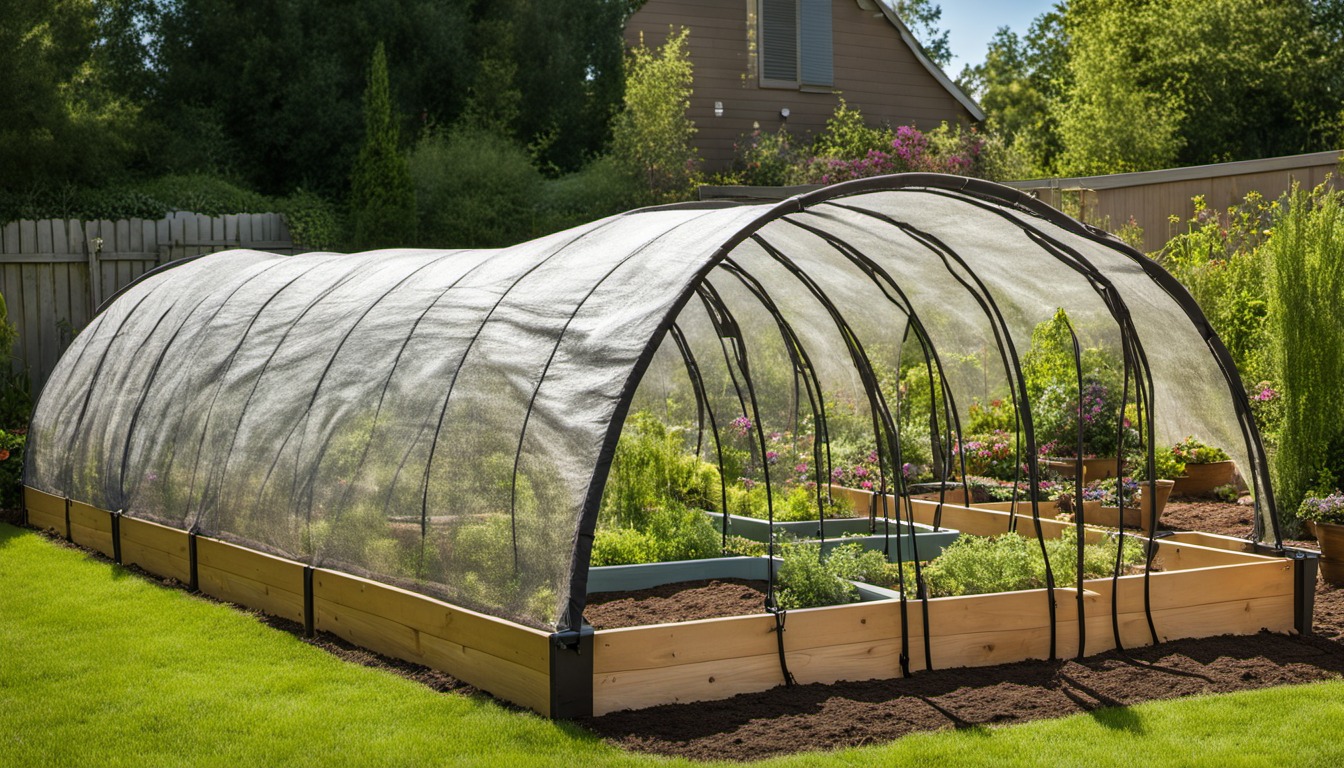
Use practical controls
Remove a small number of pests by hand when appropriate, manage weeds and remove heavily damaged material if advised. Physical barriers can protect a crop when correctly installed, but covers may need removal for crops that rely on pollination. Inspect underneath a cover too; a barrier cannot help if pests are already trapped inside.
Protect beneficial visitors
Bees, predators and other organisms contribute to a garden. Encourage suitable flowers and avoid treating every insect as harmful. If a pesticide is needed, use a product currently labeled for the specific crop and pest, follow all label directions including protective equipment and harvest intervals, and avoid applying it when pollinators are active. Consult local Extension for current guidance.
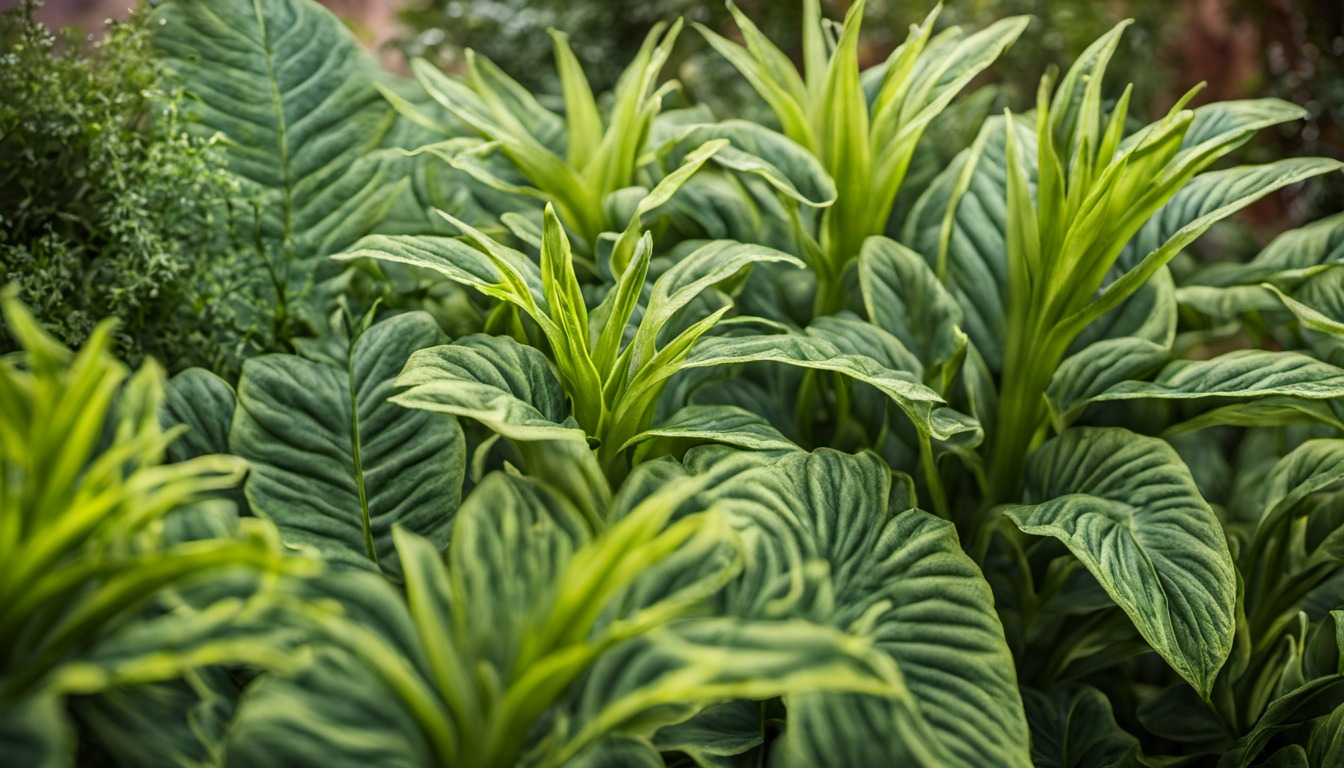
Example: a damaged leaf
A gardener finds holes on a squash leaf. Check the underside, nearby stems and new growth, and note whether damage is increasing. Look for the actual pest or seek identification before spraying. If only a few leaves are affected, a small physical intervention and continued monitoring may be enough; if damage accelerates, use crop-specific advice.
Review the result
Record the suspected cause, evidence, action and plant response. If a treatment did not help, reconsider the diagnosis rather than repeating it automatically. At season end, clear and dispose of material according to local guidance and clean tools where needed. Maintain a diverse, uncrowded garden and plan the next crop for a season it can tolerate.
Protect the useful insects
Before removing an insect, look for evidence that it is actually causing the damage; predators may be feeding on pests. Ask Extension for identification when uncertain. If a barrier is used over a flowering squash crop, monitor the timing carefully so it does not prevent the pollination the variety needs.