Arizona garden field guide
Welcome Pollinators to an Arizona Vegetable Garden
A few well-placed flowers can make a vegetable garden more inviting to pollinators while adding color. Choose plants for the actual Arizona site and season rather than assuming one mix fits the whole state.
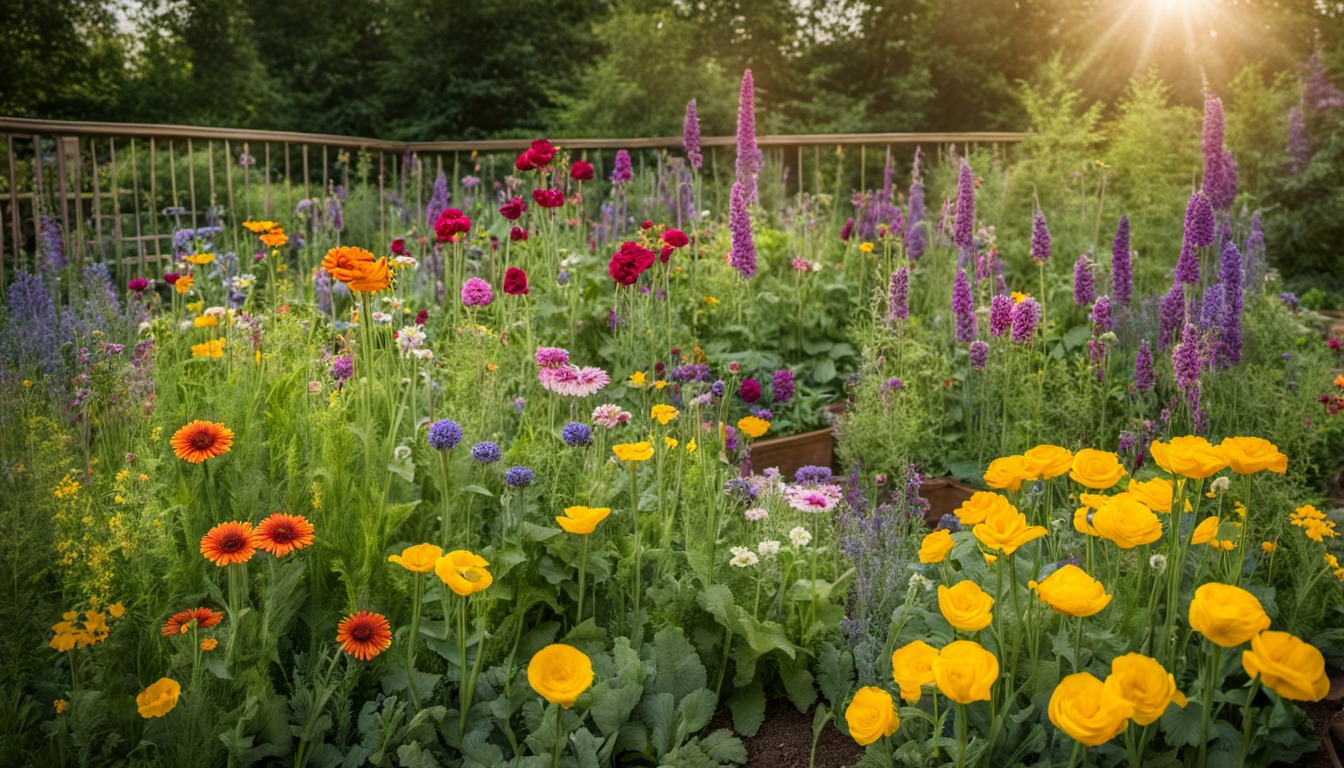
Understand the connection
Many cucurbits, including squash, have separate male and female flowers and depend on pollen transfer for typical fruit development. Bees often carry that pollen; some varieties and crops have different pollination requirements. A flower border does not guarantee a harvest, and weather, water and plant health can also affect fruit set.
Choose locally suitable plants
Select noninvasive flowers that suit your elevation, available water, light and soil. A local Extension office or native-plant resource can help identify species appropriate to the area. Aim for overlapping bloom periods rather than one short display, and check mature size so the border does not crowd vegetables or block a path.
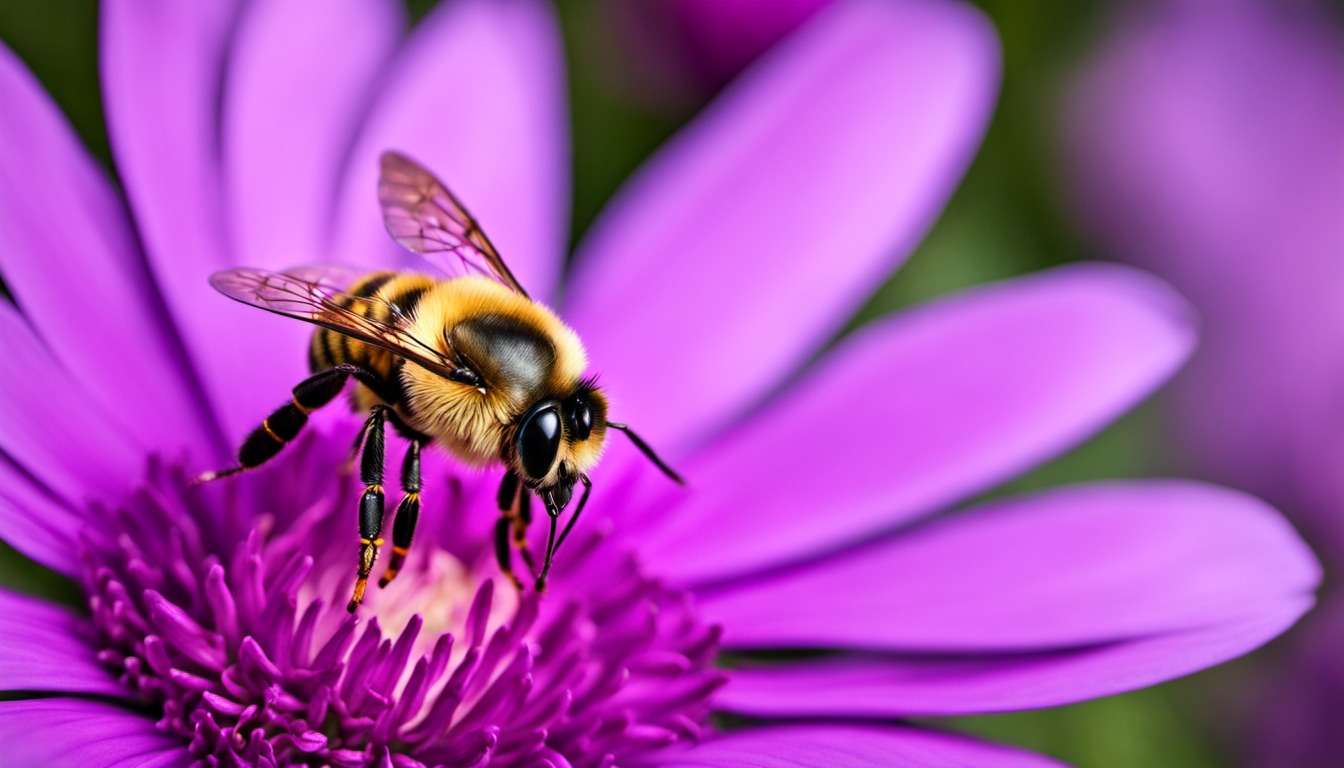
Make room for habitat
A small border, pots of suitable flowers or a less-disturbed patch can provide resources alongside the vegetable bed. Keep the irrigation requirements of the chosen plants compatible with the site, and avoid placing water-dependent flowers where they will draw attention away from young vegetables. Observe the area safely without disturbing nests or handling unknown insects.
Reduce unnecessary treatment
Identify pests before taking action and consider physical or cultural controls when they fit. If a pesticide is necessary, use one currently labeled for the crop and pest and follow its directions. Avoid applying products to open flowers while pollinators are active. Covers that exclude insects may need removal when a crop requires pollination.
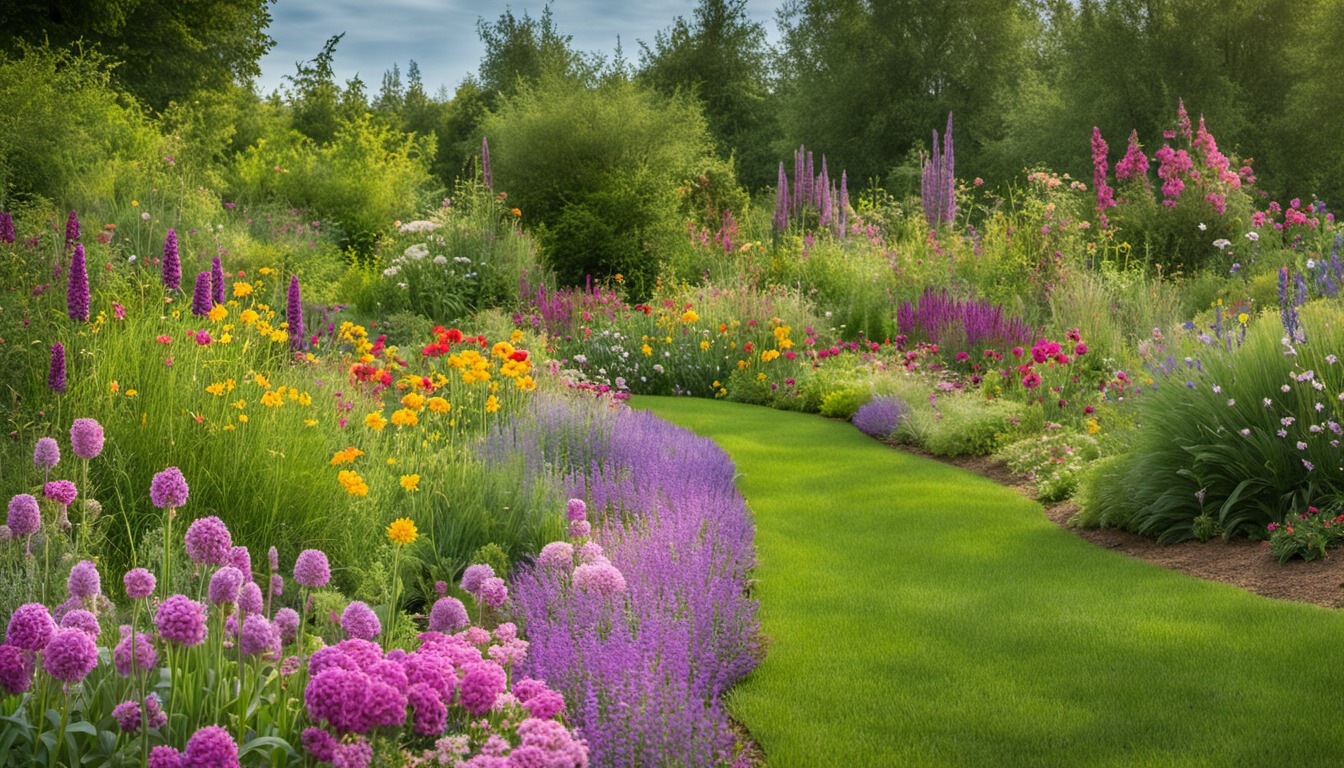
Example: a small border
A gardener reserves a narrow strip along a path, checks local plant choices and selects several flowering species with different bloom periods. The strip stays outside the mature footprint of squash and the route used for harvest. During the season, note which plants thrive, when they bloom and which visitors appear; replace poor matches instead of repeatedly forcing the wrong site.
Keep the plan seasonal
At a higher site, winter cold and the shorter growing season affect plant choice; in the low desert, summer heat and irrigation may be the limiting factors. Check local advice for planting and maintenance. A simple record of bloom, water needs and vegetable harvest can show whether the border remains practical as the garden changes.
Observe without disturbing
Watch flowers at several times of day and record what blooms and whether insects visit. A quiet observation is more useful than moving or handling an unknown nest. If a flower needs far more irrigation than the rest of the garden, replace it with a locally appropriate option rather than maintaining a poor fit.