Arizona garden field guide
Grow Summer Squash in Arizona
A summer squash seedling can expand into a large plant quickly. Choose a site with enough room to reach the crop, and plan for weather as well as maturity.
Choose a habit that fits
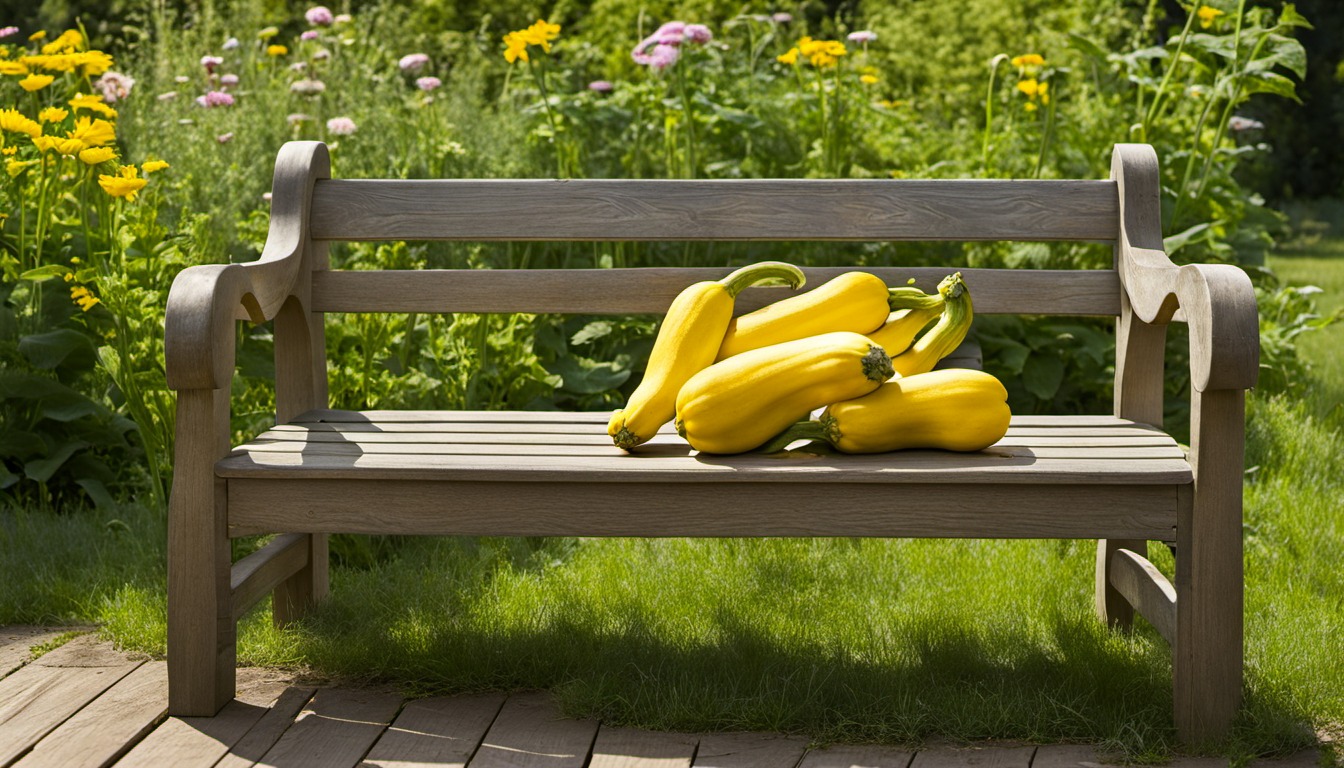
Bush and vining summer squash need different amounts of space. Read the packet and mark mature spacing before sowing; crowded leaves make inspection and harvest difficult. Place the planting where large foliage will not shade a smaller crop or obstruct a path. Strong wind and reflected heat can also influence which bed is practical.
Plant when conditions fit
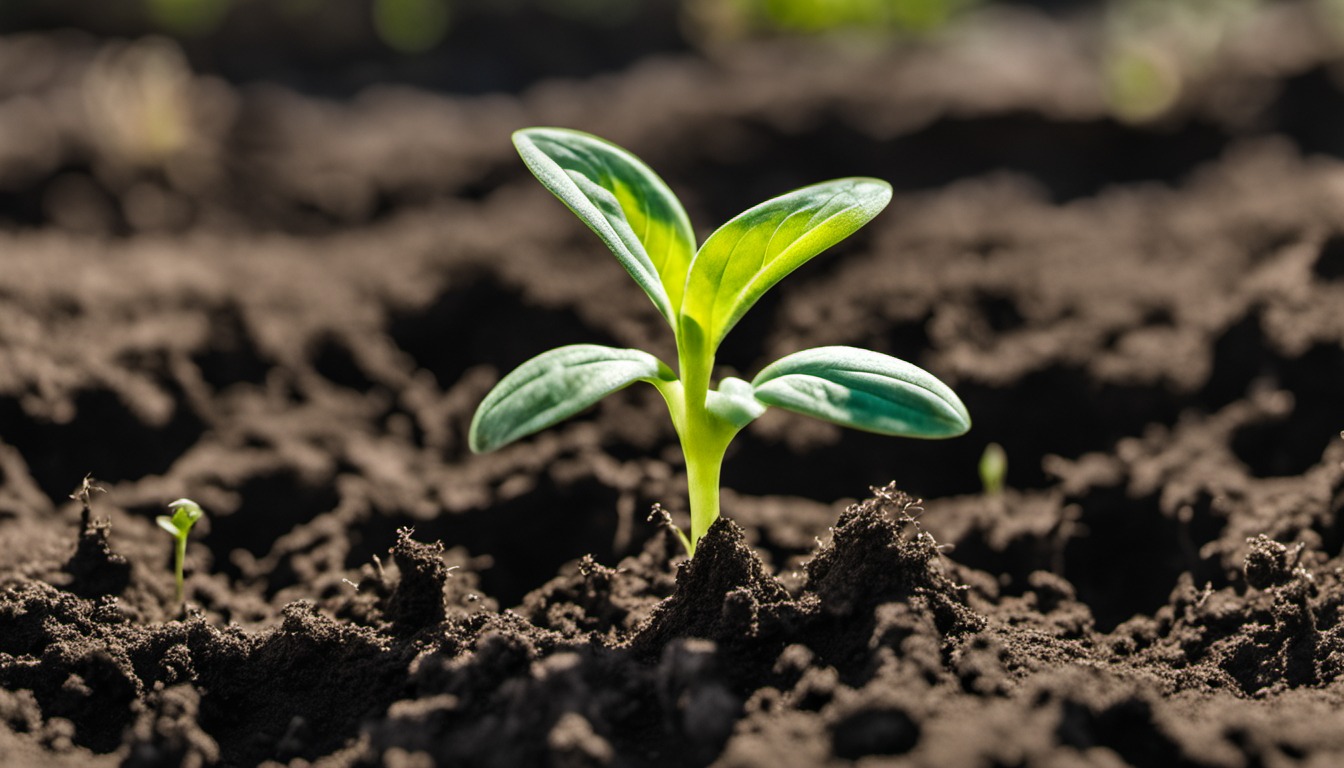
Squash is a tender warm-season crop. Compare the local county chart with soil temperature, frost risk and the variety’s maturity. University of Arizona’s Maricopa calendar distinguishes seed and transplant methods, and its dates apply to that county. Higher-elevation gardeners should use their local weather and crop guidance rather than copying a desert date.
Understand flowers
Many squash plants have separate male and female flowers; fruit development generally depends on pollen moving between them, often carried by bees. A female flower has a small immature fruit behind it. Early flowers may not all become harvestable squash. Poor pollination is one possible cause of small or misshapen fruit, alongside weather or plant stress.
Care for the root zone
Keep soil appropriately moist without leaving it saturated. Water gently near new seed and check deeper as the plant grows. Mulch around established plants while leaving space at the stem. Examine leaves and stems for pests or disease; identify the cause before applying a product, and avoid unnecessary treatment when pollinators are active.
Example: choose one plant
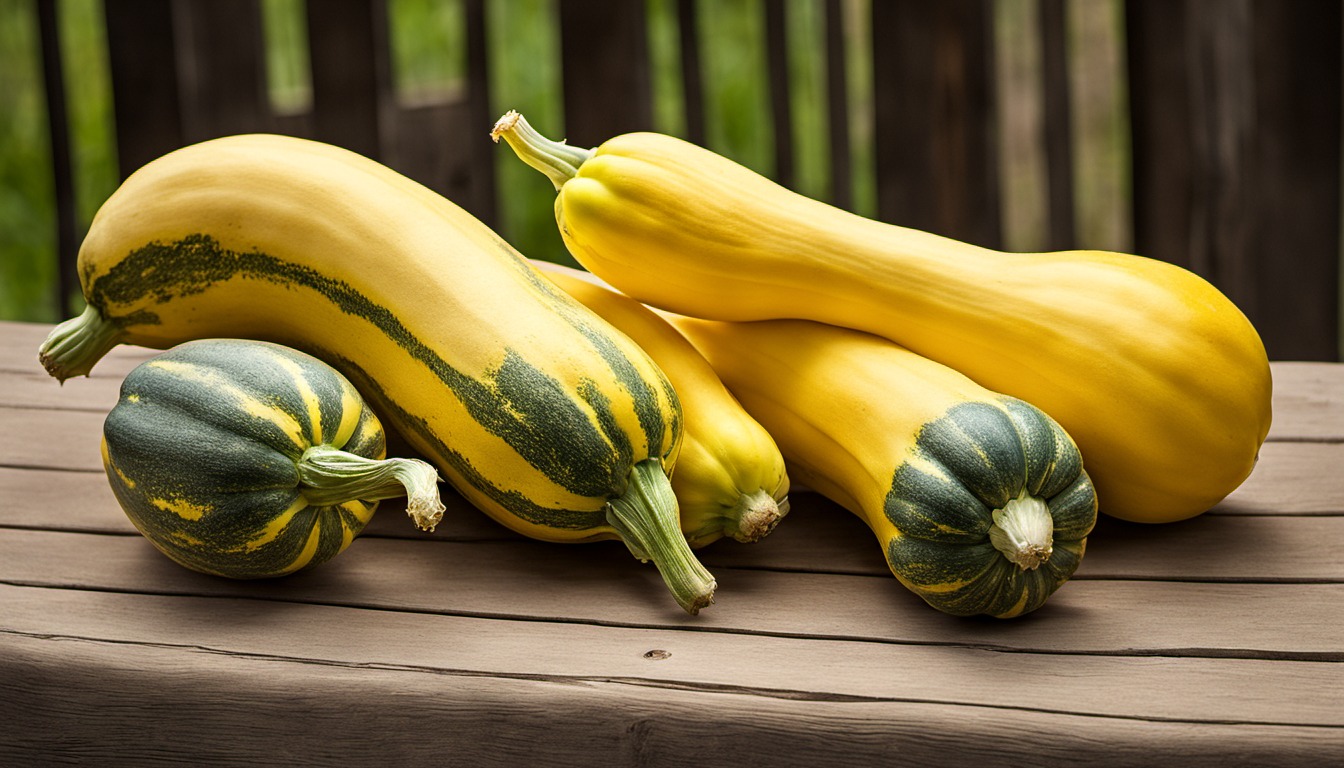
Instead of filling a small bed with several large seedlings, begin with a variety whose mature habit fits the space. Mark a harvest path and inspect the center of the plant regularly. Cut fruit at the stage recommended for summer squash; a fruit hidden under a leaf can become oversized quickly. Record how much space the plant actually used.
Plan the next crop
When production slows, distinguish normal seasonal change from irrigation, pest or heat stress. Remove spent material and check whether the remaining local planting window supports another crop. If no suitable window remains, use the time to maintain irrigation and soil rather than forcing a late sowing. Keep the variety name and harvest dates for next season.
Look for the female flower
The small developing fruit directly behind a female squash flower helps distinguish it from a male flower on a slender stem. Observe flowers in the morning and compare later fruit development. If young fruit fails, consider weather, water and pollination together; do not diagnose the cause from one flower alone.