Oklahoma garden field guide
Grow Onions in Oklahoma
Onions spend a long time in the bed, so choosing the right planting material and leaving space for a later crop are as important as the first planting date.
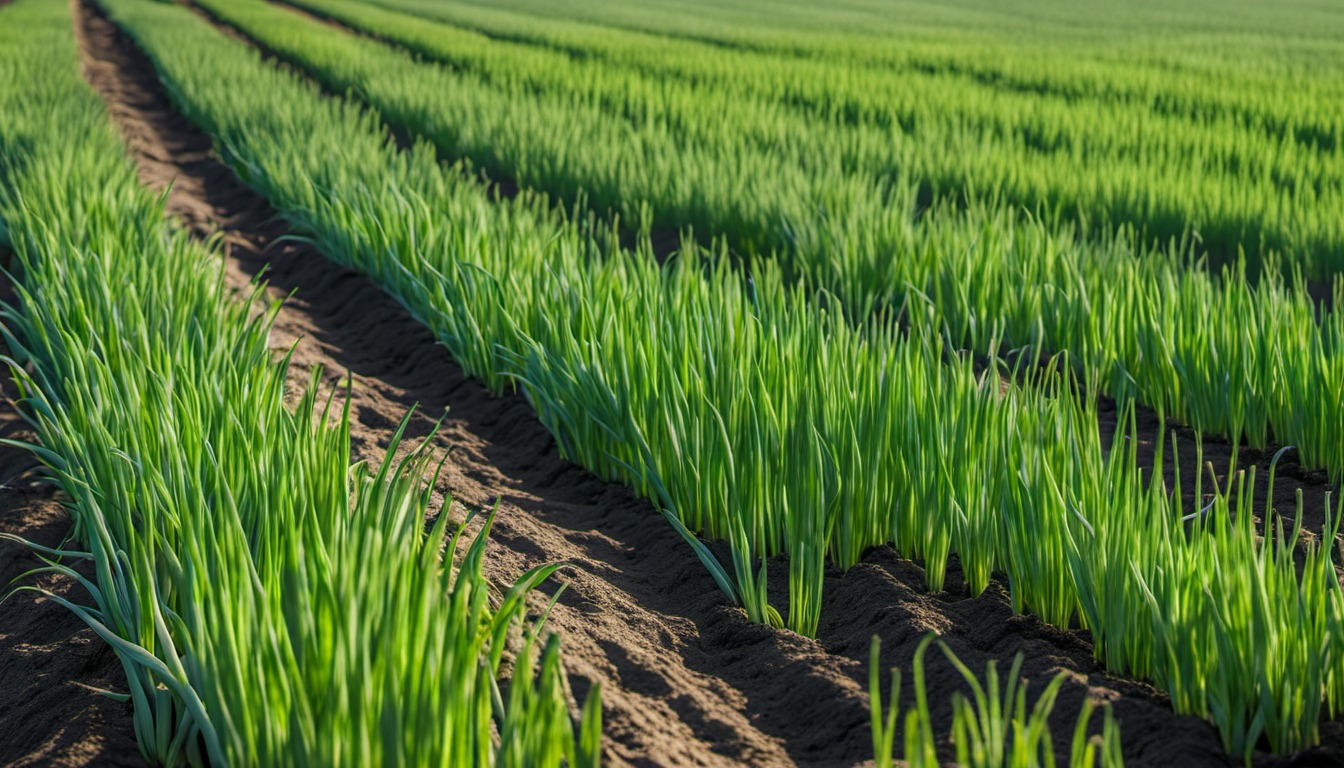
Choose the starting material
OSU’s chart distinguishes onion plants and sets; use the entry matching what you bought. Choose varieties adapted to local day length and your intended use, and ask a local Extension educator or knowledgeable supplier if a label does not explain its adaptation.
Prepare a clean bed
Choose a sunny, well-drained site and remove perennial weeds before planting. Onions have relatively shallow roots and do not compete well in a weedy bed. Follow a soil test for nutrient additions and avoid working heavy soil while it is wet.
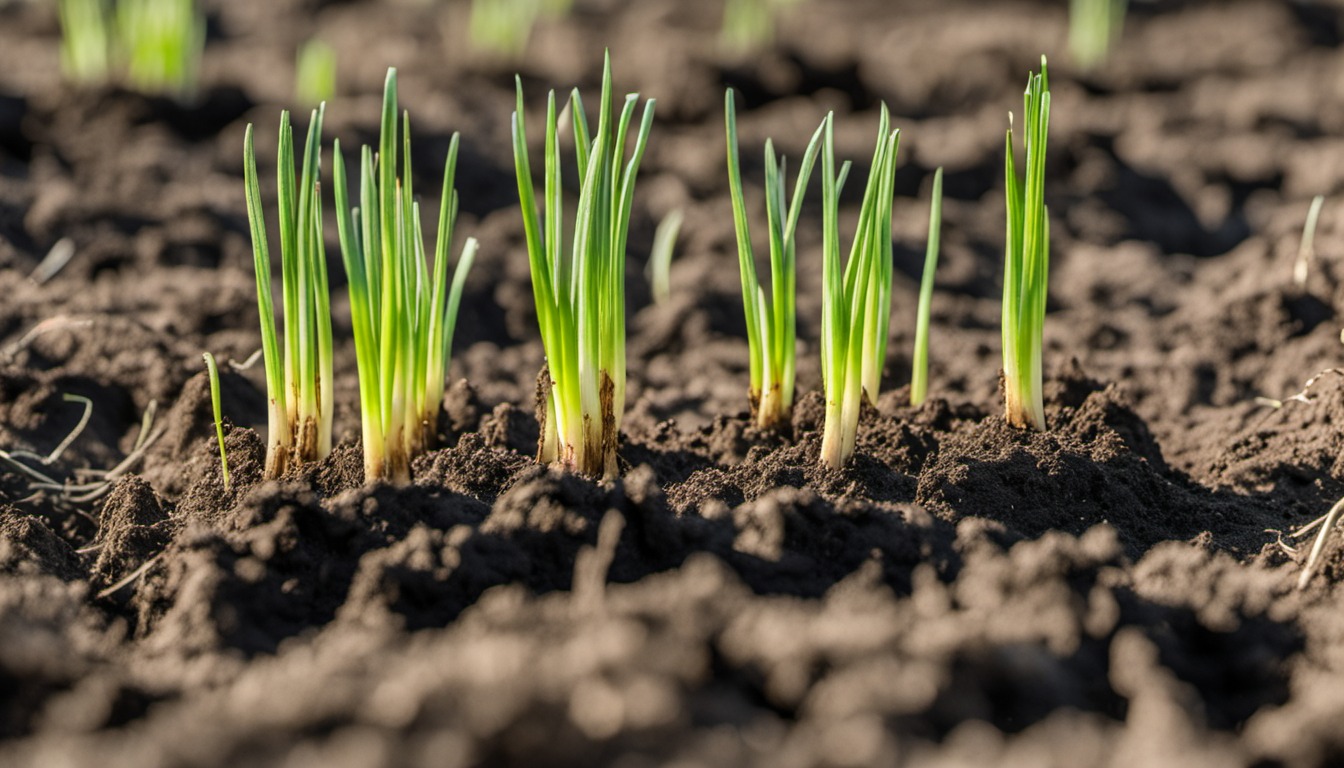
Set plants in the local window
OSU lists a spring range for onion plants from February 15 to March 10, with the statewide range running from southeast to northwest. That is a guide, not a promise that every garden is ready. Follow the chart’s spacing, use healthy starts and water them in.
Manage moisture and weeds
Keep the root zone consistently supplied with moisture during active growth, adjusting for rainfall and soil. Weed shallowly to avoid damaging roots. Check the bed after windy or hot weather, especially if plants are small, but do not leave it saturated.
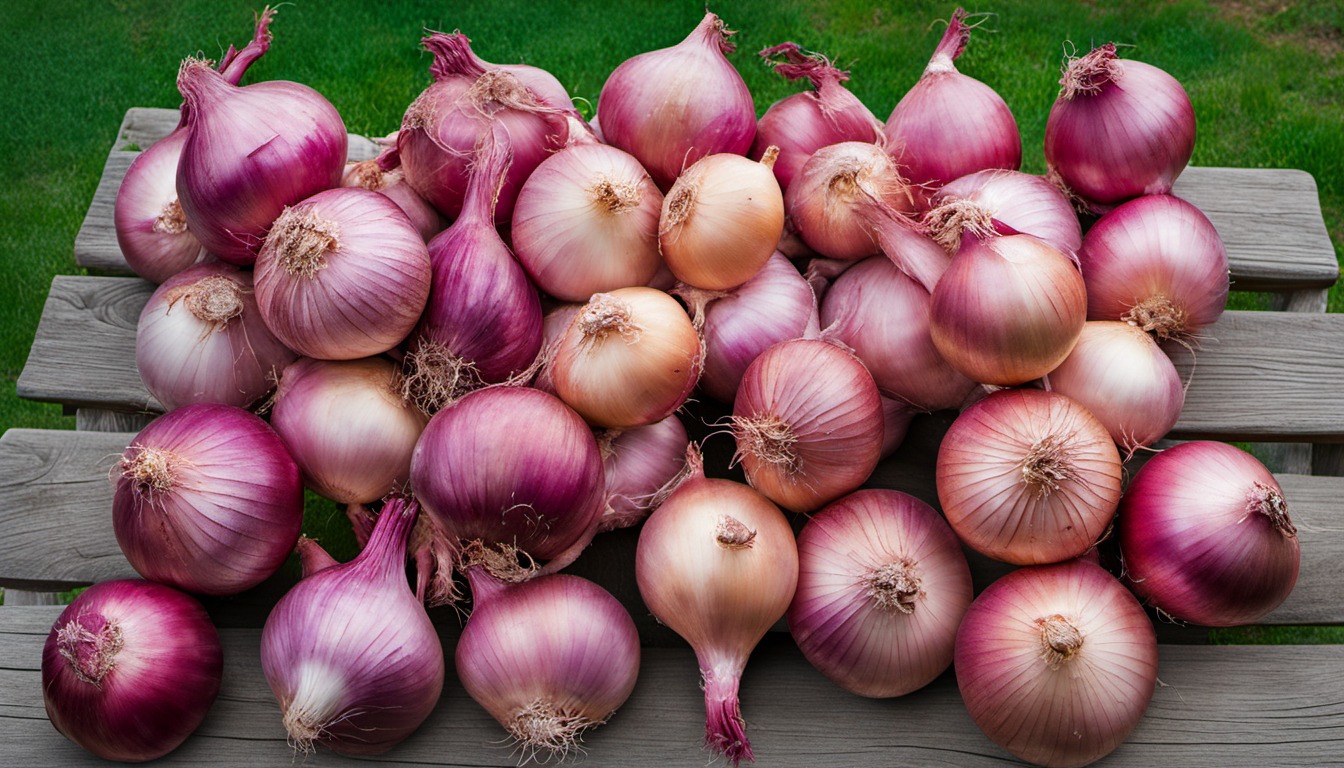
Harvest for your purpose
Green onions can be used earlier; bulb onions need time to develop. For storage, harvest and cure according to the variety and current Extension guidance, keeping bulbs dry and well ventilated. Use damaged bulbs promptly and leave space in the calendar for the crop that follows.
Example: reserve a long-season row
Sketch onion spacing before planting and include a narrow path for weeding. A spring onion row may still be in use when warm-season crops need space, so reserve a separate location for those transplants. Mark the variety and whether you planted sets or plants; the two entries in the OSU chart should not be interchanged without checking their instructions.
If plants are small and weeds are dense, remove weeds carefully while roots are shallow rather than chopping deeply between bulbs. Check the soil before watering, especially after rain. For storage onions, leave time and a dry, ventilated location for curing; a damaged or soft bulb should be separated for prompt use or discarded if decaying.
Different onion varieties vary in storage life and use. Keep their labels through harvest rather than mixing all bulbs in one pile. Once cured according to the variety, inspect them periodically and remove any soft or damaged bulbs so one failing onion does not spoil the rest.