Arizona garden field guide
Grow Onions and Garlic in Arizona
Onions and garlic can occupy a bed for months, so their value in the garden depends on both local timing and space planning. Their small starts do not remain small forever.
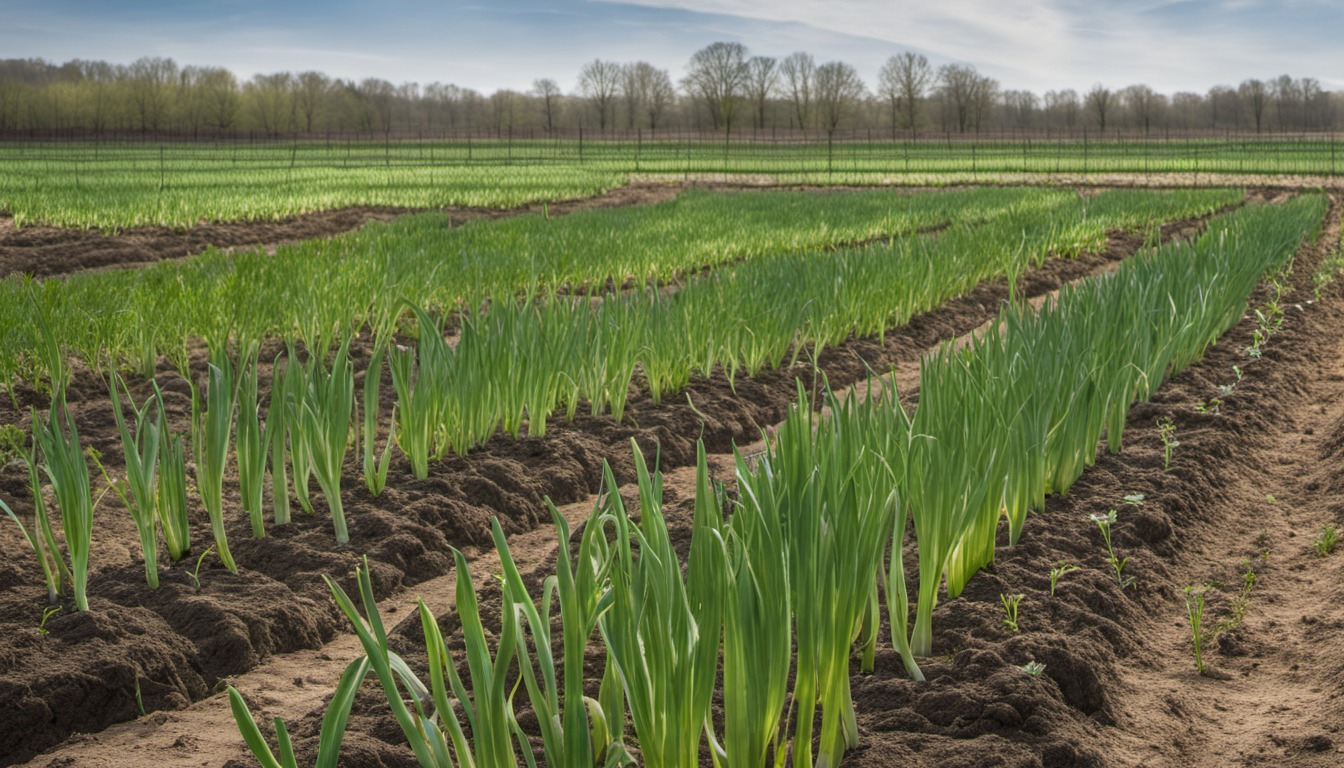
Read the local chart
Check the crop and method in the relevant Arizona calendar: onions may be grown from seed, sets or transplants, while garlic is planted as cloves. A low-desert cool-season window is not automatically appropriate at a colder site. For bulbing onions, also choose varieties suited to the day length and local season recommended by a reliable source.
Prepare a workable bed
Choose a well-drained, sunny area and remove weeds before planting. Avoid working sticky soil after rain. Use a soil test to guide nutrient amendments instead of applying lime, sulfur or fertilizer by habit. Mark rows and mature spacing, and keep paths accessible; a bed that is easy to weed is easier to manage through a long season.
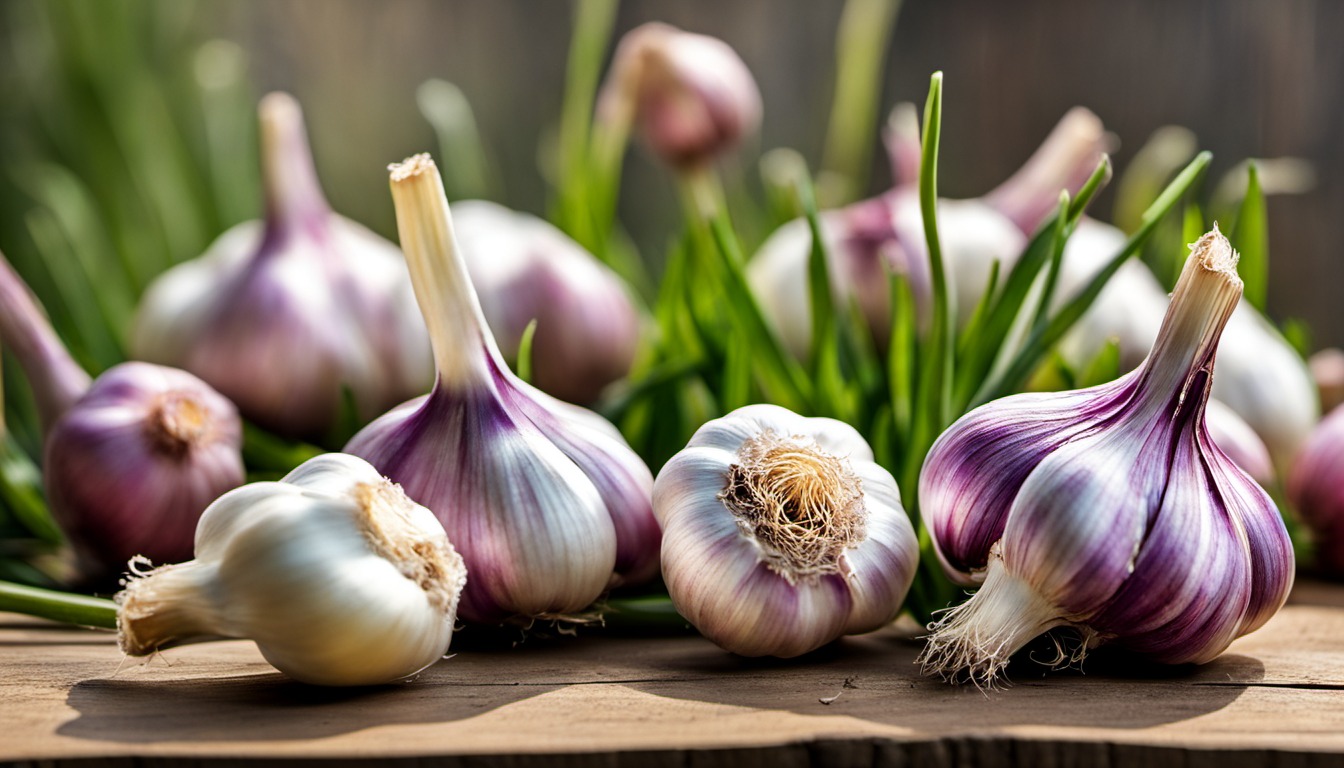
Plant the correct material
Use healthy planting material from a reliable source and follow the packet or local Extension directions for depth and spacing. Separate garlic cloves close to planting without damaging them. Label the variety and date, and keep onions and garlic distinguishable. Water gently to settle soil while avoiding persistent saturation around developing roots.
Keep competition low
Small, upright leaves can be overwhelmed by weeds. Remove young weeds carefully without damaging shallow roots and check moisture below the surface. Mulch can help once plants are established, but keep it away from stems and adjust timing where cold soil needs to warm. Inspect irrigation so water reaches the row rather than only the path.
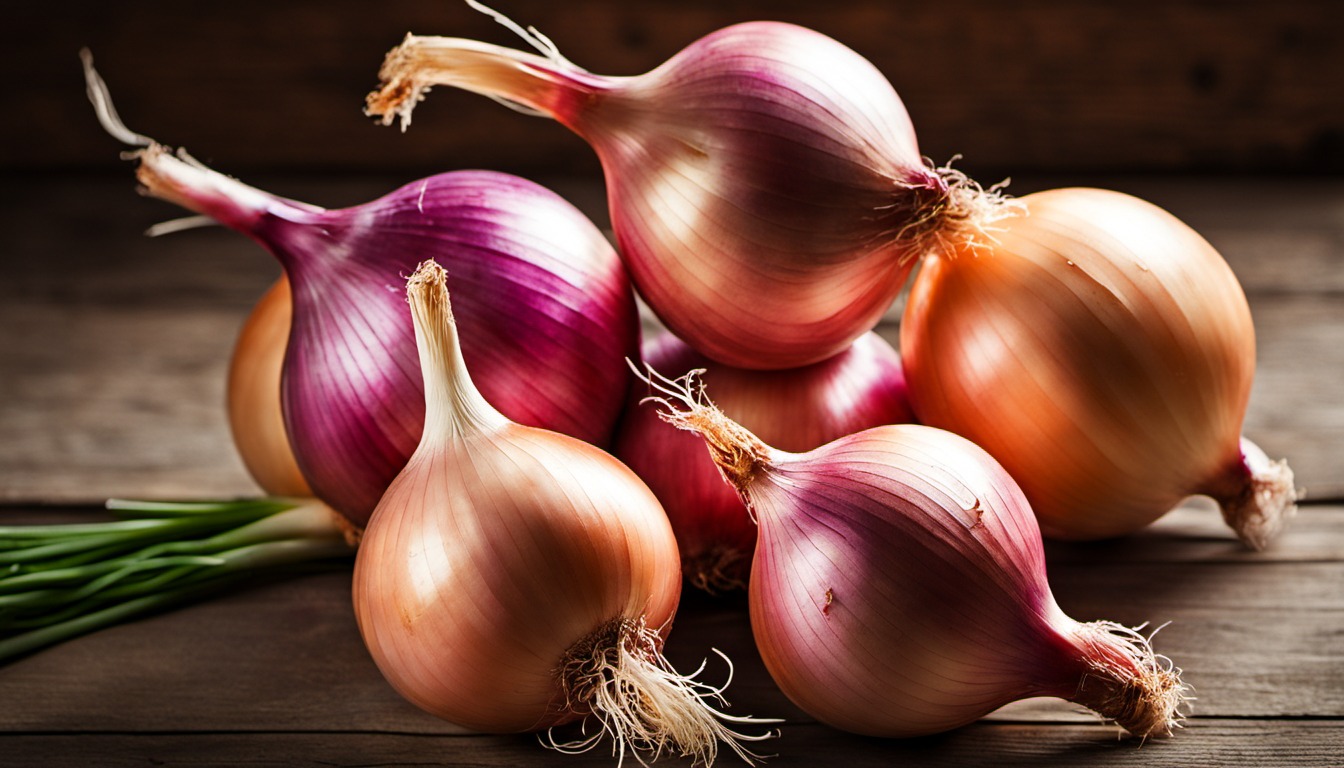
Example: plan the bed turnover
A gardener wants a later summer crop in the same bed. Before planting onions, compare the expected harvest window with the next crop’s local planting dates. If the bed may still be occupied, reserve another space or choose a different sequence. Label the plan with the local source and actual harvest date so the next year’s sketch improves.
Harvest and store thoughtfully
Follow crop-specific guidance for recognizing maturity and handling. Cure and store only sound bulbs under appropriate conditions, and avoid packing damaged bulbs with the rest. Record the variety, planting and harvest dates and storage result. If bulbs remain small, consider variety, day length, crowding, water and weather before assuming the bed lacks fertilizer.
Label the planting material
Seed, onion transplants, sets and garlic cloves have different handling instructions. Label the row and keep the source packet or receipt so you can compare the actual planting and harvest with the supplier’s recommendations. Do not use one crop’s harvest signal as a shortcut for the other.