Arizona garden field guide
Gardening in Arizona’s Alkaline Soils
Many Arizona soils are alkaline, but a high pH is not a complete diagnosis of a struggling vegetable. Soil texture, drainage, nutrient availability, salts and irrigation all deserve separate attention.
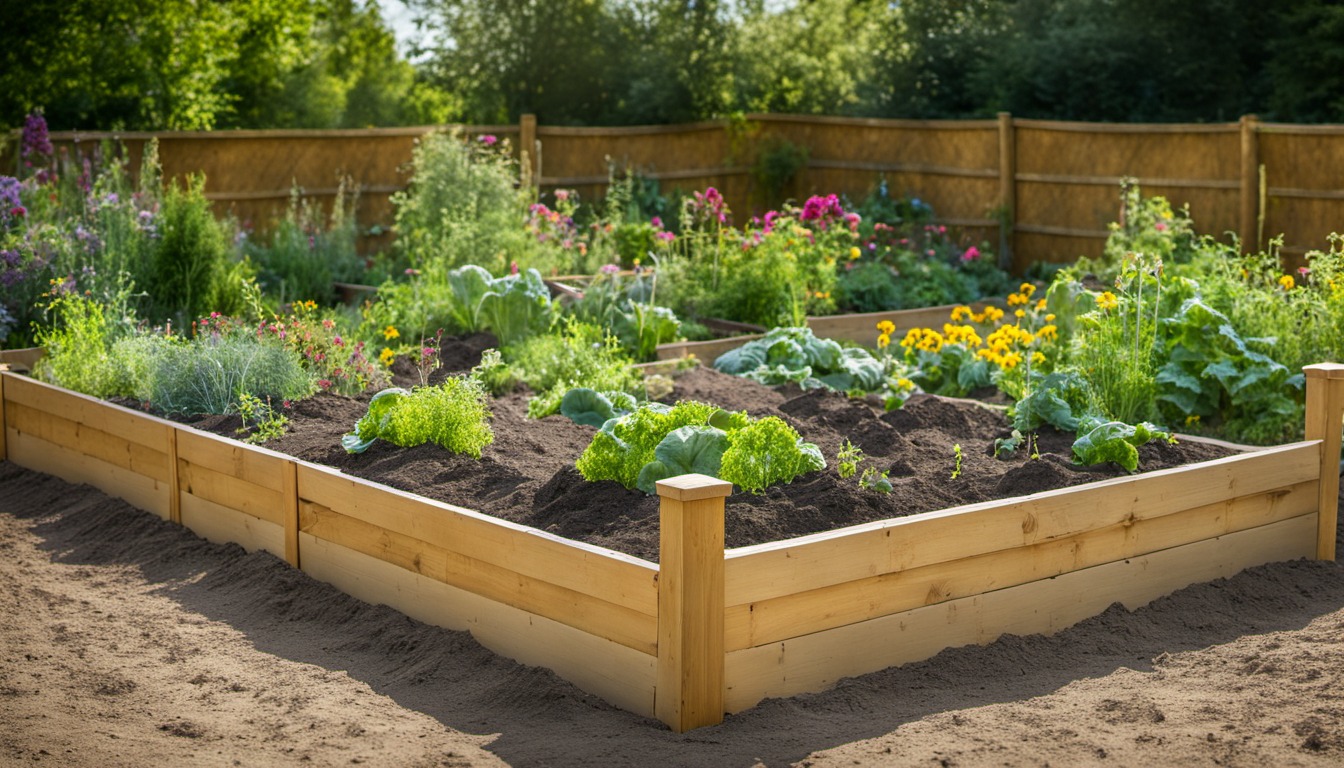
Start with a measured question
Soil pH describes acidity or alkalinity; salinity measures a different problem. A pale surface or yellow leaf cannot tell you which issue is present. Ask a laboratory or county Extension office how to collect a representative sample and which tests fit your garden. Keep separate samples for a purchased raised-bed mix and a long-established in-ground plot.
Read the results in context
Ask how a recommendation applies to your crop, soil and irrigation water. Nutrients can be present but less available to plants under particular conditions; yellowing can also follow wet roots or other stress. Avoid assuming every pale leaf needs iron or that every alkaline bed needs sulfur. An incorrect amendment or excessive fertilizer can add cost and soluble salts.
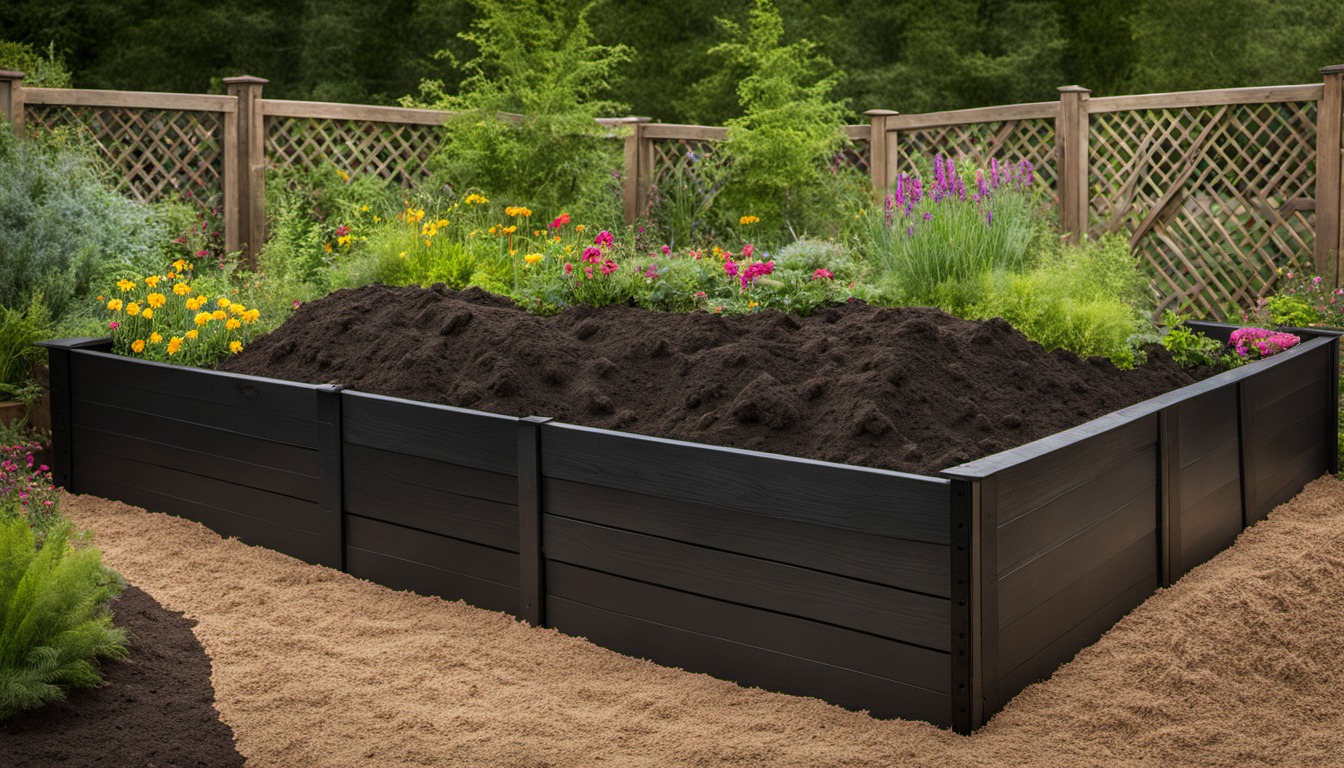
Improve the physical bed
Finished compost can contribute organic matter and improve soil structure over time when used appropriately. Add it in moderation and avoid burying unfinished material beside seedlings. Work soil only when it is friable, not sticky after irrigation or rain. Preserve paths so repeated foot traffic does not compact the root zone you worked to improve.
Choose a manageable approach
If native soil is difficult to manage, a small raised bed with suitable garden soil or a container with appropriate potting mix is an option. Both still require attention to irrigation, drainage and eventual salt accumulation. A frame does not change the chemistry of the soil beneath it, and a bag label alone does not guarantee that a mix suits every crop.
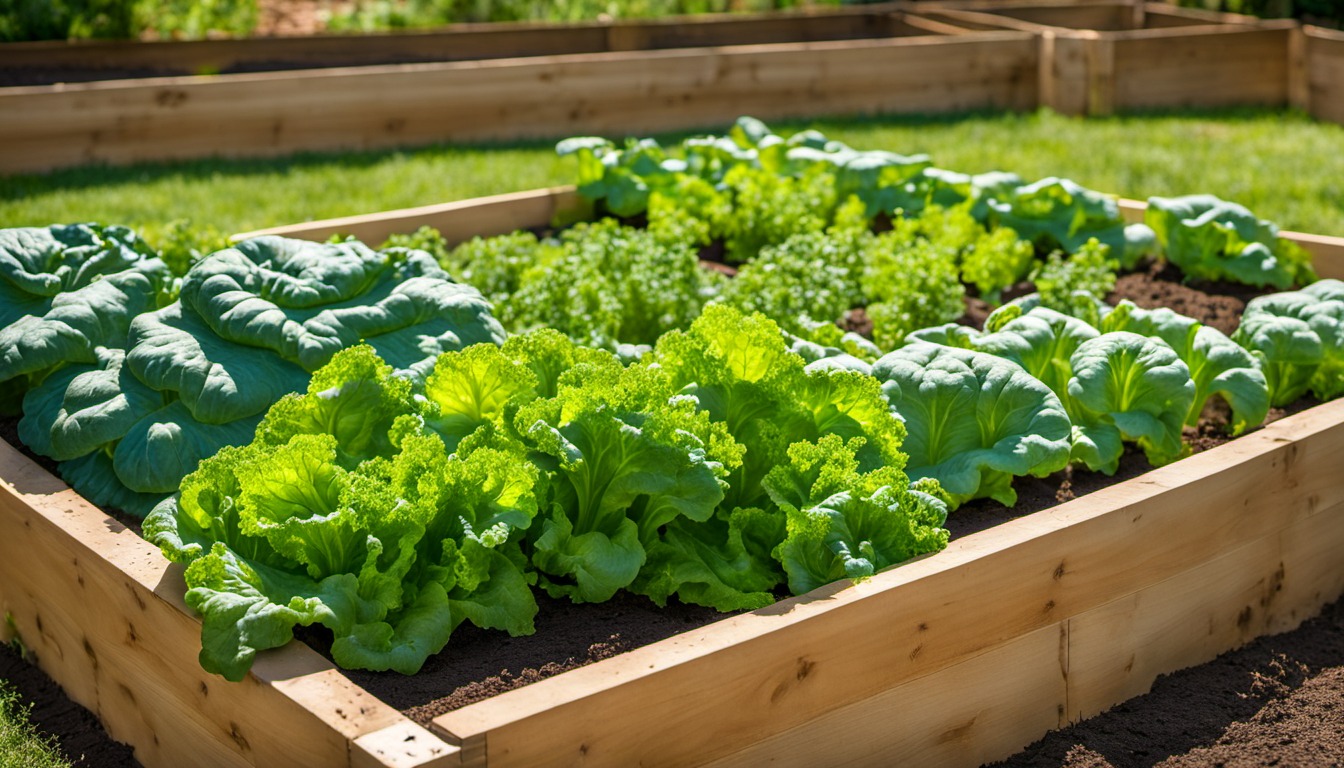
Example: a yellowing plant
Check whether the root zone is waterlogged, very dry, restricted or unevenly irrigated; compare nearby plants and examine new and old leaves. Note the pattern and take a clear sample or photo to Extension if identification is uncertain. Review the soil test before selecting a treatment, and follow the label if a product is recommended.
Track changes slowly
Record the source and amount of any amendment, the bed area and the date. Reassess according to the lab’s guidance rather than repeating a treatment on the calendar. A productive garden is the objective, not a particular pH number at any cost. Matching crop choice, watering and soil management often matters more than changing one reading quickly.
Avoid a quick chemistry fix
A yellow plant in wet soil may respond poorly to an amendment because the underlying problem is root stress. Compare drainage and moisture with nearby healthy plants, then use a lab result and crop-specific advice. Apply only a measured recommendation and record it; an untested, large pH adjustment can create a second problem.